by the El Reportero staff
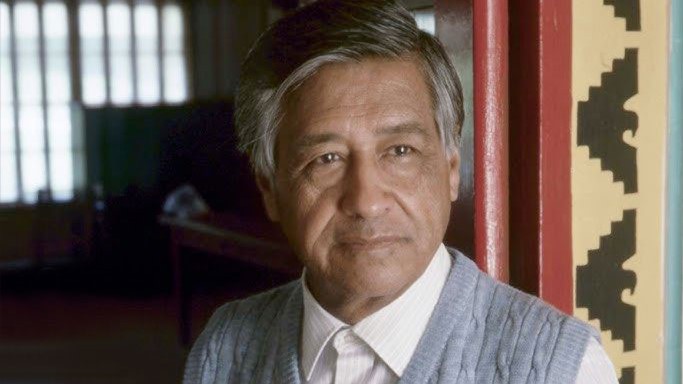
The figure of César Chávez, long revered as a symbol of the struggle for farmworkers’ rights in the United States, is now facing one of the most serious controversies since his death. Recent allegations of abuse, humiliation, and inappropriate conduct — including claims attributed to testimonies from individuals close to his inner circle — have sparked a national debate over how his legacy should be remembered.
“What we’re seeing is not just an accusation — it’s a rupture of an image that for years was untouchable,” said a community activist from San Francisco’s Mission District who asked to remain anonymous. “For many women, these stories are not new. What’s new is that they are finally being heard.”
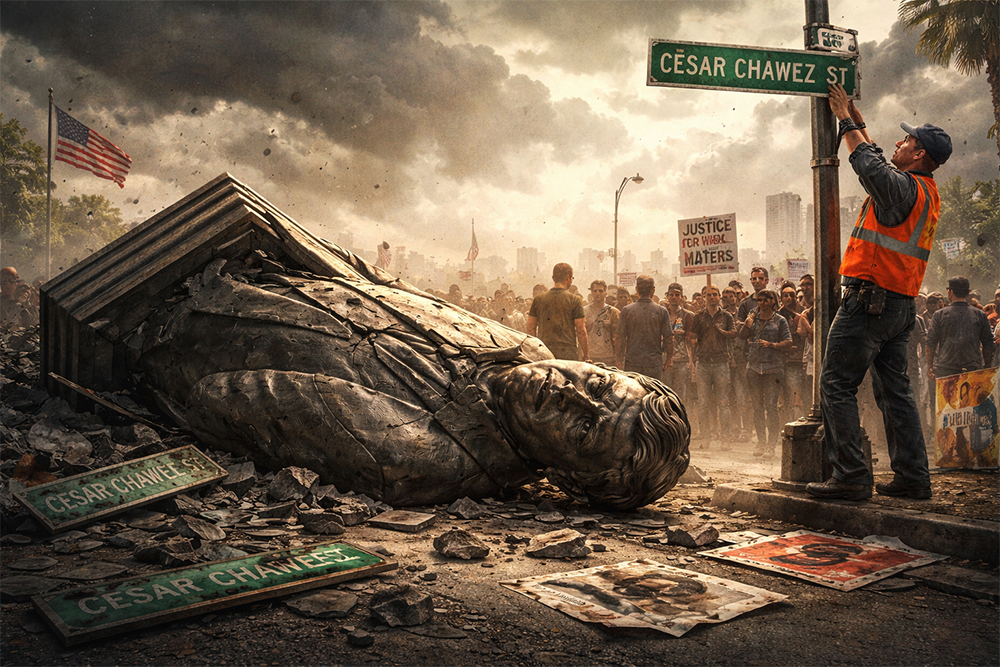
The allegations, circulating in media and community spaces, have prompted reactions across several cities. In some places, authorities and organizations have begun reconsidering public honors, including street names, schools, and official recognitions bearing the labor leader’s name. There have also been discussions about reviewing commemorative symbols such as postage stamps and institutional celebrations.
“The debate is no longer whether Chávez was important, but whether we are willing to accept the full truth about his behavior,” said a labor history analyst consulted for this report. “Public figures should not be above scrutiny.”
The impact extends beyond politics. In Latino communities — particularly among farmworkers and migrants — the issue has reopened conversations that for years remained largely unspoken. For many, these revelations are not entirely surprising, but rather confirm accounts that have circulated quietly for decades.
 One of the most sensitive issues resurfacing is Chávez’s complex relationship with undocumented workers during the most intense years of the labor movement. In the context of agricultural strikes in the 1960s and 1970s, there was significant tension between union organizers and workers hired as replacements — the so-called “strikebreakers,” many of whom were undocumented migrants.
“There was real resentment,” said a former farmworker interviewed in the Bay Area. “Many felt that instead of uniting us, we were treated as enemies when we were just trying to work and survive.”
That resentment, while not dominant in the official narrative, persisted in certain circles. Stories shared in neighborhoods and workplaces reflect a parallel memory: one that admires Chávez’s struggle but also questions some of his methods.
During a recent celebration on 24th Street in San Francisco, a local hairdresser expressed that sentiment bluntly: “Yes, he did important things, but many undocumented workers were not defended by him. So why do we celebrate him without questioning?”
Today, as the allegations circulate, the contrast between the public hero and the man behind the movement is becoming harder to ignore. For some, this represents an opportunity to revisit history with greater honesty.
“This is not about erasing history, but completing it,” said a professor of Latino studies. “Communities have the right to know both the achievements and the failures of their leaders.”
Others warn against dismantling the recognition of a key figure in the fight for labor rights.
“If we completely tear down our leaders, we also risk erasing the struggles they represented,” said a veteran labor organizer. “We have to find a balance.”
Experts in labor history and civil rights agree that moments like this require careful analysis. Acknowledging possible abuses or contradictions does not negate the advances achieved, but it does force a reconsideration of how leadership is constructed and how collective memory is preserved.
Meanwhile, community organizations, unions, and social leaders face a difficult decision: how to honor a movement that transformed the lives of thousands of workers without ignoring the allegations that now challenge its central figure.
“The truth, even when uncomfortable, always comes out,” the Mission District activist concluded. “And when it does, it forces us to decide what kind of community we want to be.”
The discussion is only beginning, but it already makes clear that César Chávez’s legacy has entered a new phase — one in which admiration coexists with criticism, and where history continues to be written by voices that were not previously heard.