Doctors call it “sarcopenia”—the progressive loss of muscle with age. Here’s how to combat it
Aging inevitably brings changes to the human body. One of the most concerning is “sarcopenia”, the medical term for the progressive loss of muscle mass, strength, and endurance. This natural process can begin around age 50 and accelerates after 70, raising the risk of falls, fractures, and loss of independence. Although widespread, sarcopenia can be slowed and even partially reversed with physical activity—especially weight training.
Sarcopenia is more than a mobility issue; it is a growing public health concern. Weak muscles make daily tasks, such as climbing stairs or lifting grocery bags, more difficult. More importantly, muscle loss is linked to a higher risk of falls, osteoporosis, diabetes, and cardiovascular disease. Older adults with low muscle strength are twice as likely to suffer injuries compared to those who remain active.
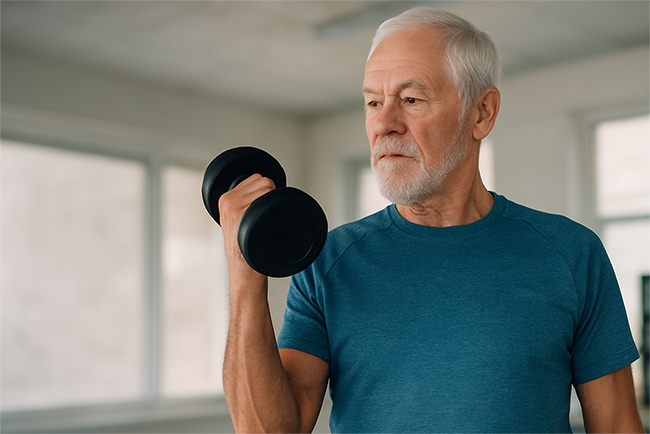
Fortunately, muscles respond to activity at any age. Experts agree that “resistance training”, commonly known as weight training, is one of the best tools to combat sarcopenia. While many imagine lifting heavy barbells in a gym, weight training for older adults can mean light dumbbells, resistance bands, exercise machines, or bodyweight movements like squats and wall push-ups.
Consistency is key. Specialists recommend resistance training two to three times per week. Sessions do not need to be long; 30 to 45 minutes of guided activity can build strength safely. Exercises should start at a manageable level and progress gradually, allowing muscles and joints to adapt without injury.
The benefits go beyond stronger muscles. “Weight training improves balance, coordination, and posture”, all of which reduce the likelihood of falls. It also stimulates bone density, protecting against fractures. On a metabolic level, resistance training enhances insulin sensitivity, supporting better blood sugar control—crucial for seniors with type 2 diabetes.
Daily activities highlight these benefits. Standing up from a chair without support often becomes harder with age. Exercises such as assisted squats, leg presses, or repeated chair stands strengthen the thighs and glutes, making this basic motion easier. Likewise, strengthening the arms and back enables seniors to carry groceries or lift objects with less fatigue.
Preventing falls is one of the most critical advantages of resistance training. Falls are a leading cause of injury and hospitalization in people over 65. By improving leg strength, balance, and core stability, weight training lowers this risk significantly. Seniors who train regularly are less likely to suffer broken hips or spinal fractures—injuries that often trigger a decline in independence.
Safety must remain the top priority. Before starting, older adults should consult a physician, especially if they have chronic conditions such as heart disease, arthritis, or osteoporosis. Ideally, training should be supervised by a professional experienced with seniors. Proper technique, appropriate weights, and adequate rest are essential for avoiding injury and ensuring progress.
Nutrition also plays a key role in fighting sarcopenia. Muscles require protein to repair and grow after exercise. Older adults should consume about 1.0 to 1.2 grams of protein per kilogram of body weight daily, from sources such as lean meats, fish, eggs, dairy, beans, and nuts. Vitamin D and calcium support bone health, while hydration keeps muscles functioning effectively.
Encouragingly, it is never too late to start. Research shows that even people in their eighties and nineties can gain strength, improve balance, and regain independence through consistent resistance training. Some studies report measurable improvements in walking speed and stability after just a few months of structured exercise.
Sarcopenia is not an unavoidable destiny. While aging naturally brings physical changes, weight training offers older adults a proven way to maintain strength, stability, and independence. With medical guidance, a progressive program, and proper nutrition, seniors can successfully fight muscle loss and enjoy a healthier, more active, and dignified old age