by Willow Tohi
• New scientific review highlights multiple edible mushrooms, including shiitake and reishi, as potent fighters against colon cancer cells in laboratory studies.
- These fungi work differently from conventional drugs, attacking cancer through several pathways simultaneously, such as triggering cell death and halting tumor growth.
- Researchers note a synergistic effect when combining mushroom varieties, creating a complementary anticancer strategy difficult to replicate with single-chemical drugs.
- Experts suggest incorporating medicinal mushrooms into the diet and considering quality extracts as part of a holistic approach to prevention and support.
- The findings underscore a growing focus on natural, multi-targeted strategies to address root drivers of cancer, such as inflammation and oxidative stress.
In the global battle against colon cancer—a disease responsible for more than a million deaths each year—the search for effective solutions has long centered on pharmaceutical innovation. Yet a growing body of research is redirecting attention toward nature, and even the grocery aisle. A comprehensive scientific review published in the International Journal of Molecular Sciences brings together evidence showing that several edible and medicinal mushrooms possess a powerful, multi-pronged ability to combat colon cancer cells in laboratory settings.
The review focuses on fungi such as shiitake, reishi and lion’s mane, highlighting how their bioactive compounds attack malignancies through multiple biological pathways. Unlike conventional drugs designed to target a single cellular mechanism, these natural agents work in parallel—disrupting cancer growth, promoting cell death and modulating immune responses. Researchers suggest this complexity may offer advantages both for prevention and as supportive therapy within holistic health strategies.
A multi-targeted assault on cancer cells
Modern oncology often relies on precision drugs engineered to interrupt one specific pathway inside cancer cells. While effective in some cases, such treatments can lose potency as cancer adapts and develops resistance. Medicinal mushrooms appear to follow a different playbook.
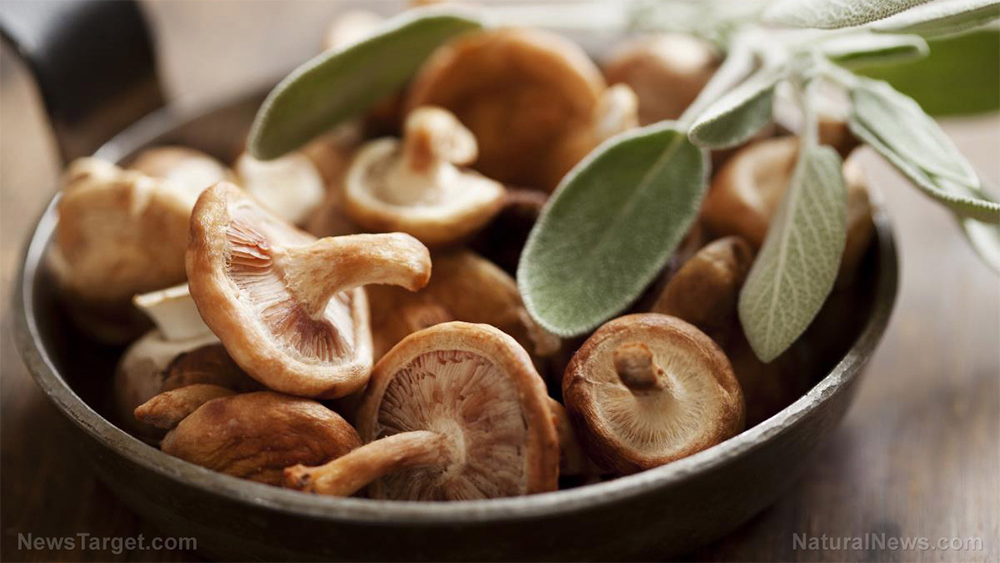
These fungi contain diverse bioactive compounds—including polysaccharides, terpenoids and glycoproteins—that act simultaneously on several cancer-related mechanisms. Shiitake mushrooms, for example, contain lentinan, a compound shown in laboratory studies to suppress tumor proliferation while helping restore the intestinal barrier. Reishi mushrooms have demonstrated the ability to trigger apoptosis, or programmed cell death, in multiple colon cancer cell lines. Lion’s mane extracts have been observed to arrest the cancer cell cycle, limiting tumor expansion.
Beyond directly targeting cancer cells, these compounds also influence the tumor environment by reducing inflammation and enhancing immune surveillance—two factors increasingly recognized as central to cancer progression.
Synergy and the limits of the single-compound model
One of the review’s most significant insights is the importance of synergy. Studies indicate that combining different mushroom extracts often produces stronger anticancer effects than using any single variety alone. Each species contributes a distinct biochemical profile, including beta-glucans, phenols and sterols, which complement one another when used together.
This finding challenges the dominant pharmaceutical model, which typically isolates a single compound for development and patenting. Whole mushrooms, by contrast, function as complex biological systems whose effects are difficult to replicate synthetically.
Ancient wisdom meets modern science
Medicinal mushrooms have been used for centuries in traditional healing systems, particularly in East Asia, where varieties such as reishi were prized for supporting longevity and vitality. What distinguishes current research is its ability to explain these effects at the molecular level. Scientists are now mapping how mushroom polysaccharides interact with immune regulation, inflammation and programmed cell death.
Integrating evidence into a holistic health strategy
For individuals interested in prevention or complementary approaches, researchers and integrative health experts recommend a layered strategy:
- Include culinary medicinal mushrooms—such as shiitake, maitake and oyster mushrooms—in meals, cooking them thoroughly for better absorption.
- Consider high-quality, standardized mushroom extracts, particularly those rich in beta-glucans.
- Address underlying contributors to cancer risk, including chronic inflammation and toxin exposure.
A new paradigm for prevention and support
The growing validation of medicinal mushrooms reflects a broader shift toward systems-based health thinking. Rather than attacking a single target, these fungi support balance—strengthening immune defenses, calming inflammation and activating the body’s natural ability to eliminate damaged cells.
As the costs and limitations of conventional therapies become more apparent, natural multi-targeted strategies may play a growing role in prevention and integrative support. Medicinal mushrooms offer a compelling example of how whole foods and traditional remedies can align with modern science to reduce the burden of colon cancer.
Sources for this article include NaturalHealth365.com, PubMed.com and ScienceDirect.com.