by the El Reportero‘s staff and reports
Earlier this month, the San Francisco Street Food Festival returned to the city after a five-year pause, reviving one of the Bay Area’s most influential community culinary events and offering a critical economic boost for dozens of immigrant and women-owned businesses. Organized by La Cocina, the Mission-based nonprofit that supports low-income entrepreneurs in the food industry, the festival took place November 8–9 at China Basin Park in the Mission Rock neighborhood.
The festival originally ran from 2009 to 2019 and quickly became known as a launching ground for small food entrepreneurs bringing flavors from across the world to San Francisco’s streets. Its long-awaited return in 2025, covered by SFGate and the San Francisco Chronicle, signaled renewed hope for local vendors who have struggled with rising rents, declining foot traffic, and the long financial tail of the pandemic.
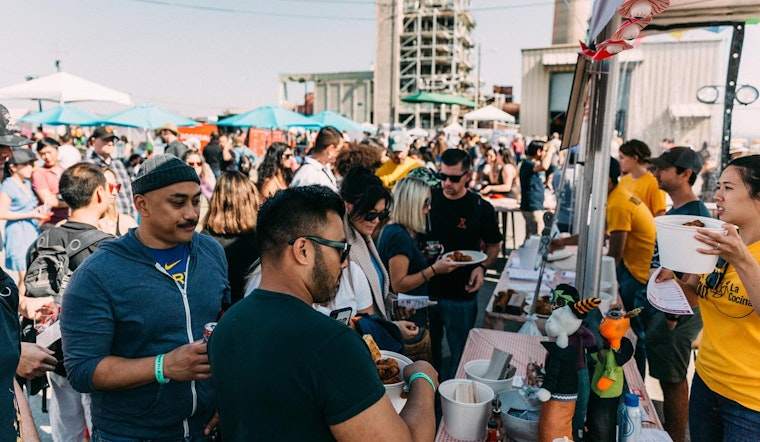
This year’s edition featured more than 60 vendors, including many graduates of La Cocina’s incubator program. Attendees enjoyed a wide range of offerings, from Central American pupusas and Salvadoran tamales to Filipino lumpia, Persian stews, and regional Mexican dishes seldom found in brick-and-mortar restaurants. For many entrepreneurs, participation provided essential visibility and revenue at a time when traditional business models remain precarious.
Organizers said the strong turnout confirmed the community’s appetite for events that highlight grassroots culinary culture. Many vendors rely heavily on festivals and pop-ups to sustain their operations, particularly those who lack permanent storefronts. La Cocina staff noted that the festival continues to serve as an entry point for new entrepreneurs, helping them test recipes, build customer bases, and refine business strategies.
The Mission Rock waterfront setting offered open space for large crowds and gave the festival a refreshed sense of place amid new housing and commercial developments. Attendees described the atmosphere as vibrant and inclusive, with live music, family-friendly activities, and a visible sense of cultural pride reflected in the diversity of food traditions represented.
For La Cocina, the successful relaunch reinforces the importance of supporting immigrant and minority-owned businesses that keep San Francisco’s culinary landscape dynamic and culturally connected. As one vendor told reporters, the festival felt “not just like a comeback, but a chance to rebuild.”
With its return now complete, the San Francisco Street Food Festival stands once again as a symbol of resilience, creativity, and the enduring power of community-driven food culture in the city.