por el equipo de El Reportero y reportajes
San Francisco city officials and community advocates are raising concerns about the U.S. Navy’s delayed communication regarding radioactive contamination at the Hunters Point Naval Shipyard. Elevated levels of plutonium-239 were detected nearly a year ago at the site, but local authorities were only informed this month.
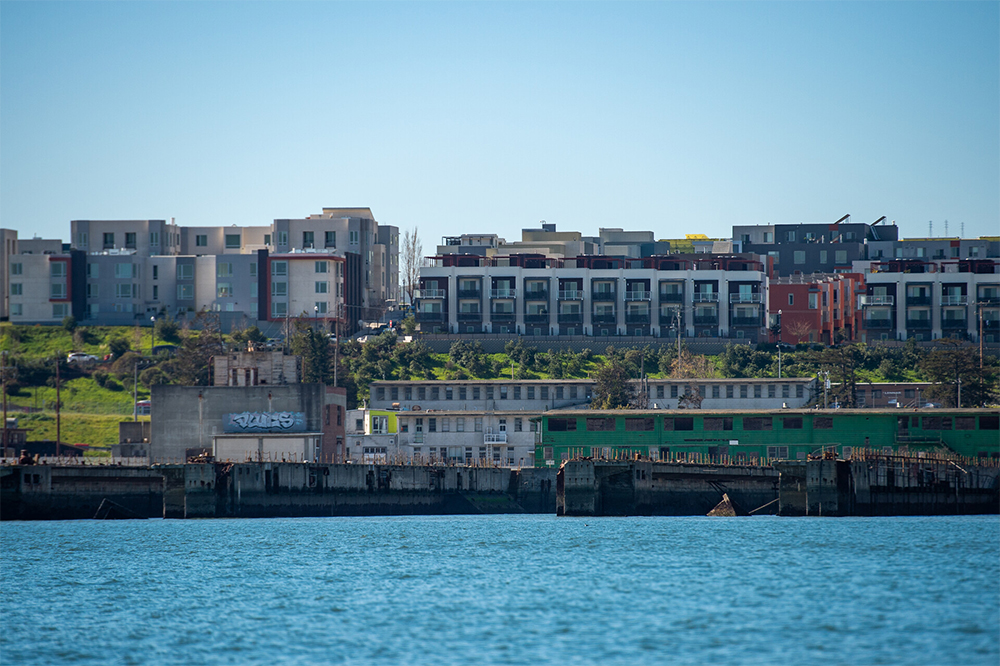
Plutonium-239 is a radioactive element commonly associated with nuclear weapons and reactors. Exposure to airborne particles can pose serious health risks, including lung cancer and cellular damage over time. The latest samples were collected in an area known as Parcel C, adjacent to a hill with residential buildings and a public park. This portion of the site had been cleared for redevelopment by the Navy two decades ago.
San Francisco’s Health Officer, Dr. Susan Philip, has requested all documentation related to the discovery, as well as a year’s worth of air monitoring data. “We share your concerns regarding the delay in communication from the Navy,” she wrote in a notice to community members. “Full transparency and prompt reporting from federal agencies are necessary to ensure public safety.”
The 866-acre Hunters Point site operated as a shipyard from 1945 to 1974 and housed the Naval Radiological Defense Laboratory from 1948 to 1960. Activities at the site, including ship decontamination following nuclear tests, left soil, groundwater, and nearby bay waters contaminated with radioactive materials, heavy metals, and petroleum byproducts. The area was designated a Superfund site in 1989 due to widespread contamination.
According to the U.S. Environmental Protection Agency (EPA), the Navy’s detection of plutonium was confirmed in one of two tests conducted on the sample. The Navy provided the EPA with a summary on October 23, and the agency is reviewing the data to assess potential public risk.
The latest findings add to long-standing questions about redevelopment plans at Hunters Point. The Candlestick Point–Hunters Point Shipyard project aims to construct thousands of housing units across the Superfund site, along with parks and retail areas. Concerns have been raised about how rising groundwater, a consequence of climate change, could interact with existing contamination, potentially affecting residents and future development.
Community members, including longtime Bayview-Hunters Point resident Arieann Harrison, say the discovery confirms fears about exposure to radioactive materials. Harrison, who has participated in independent testing through the Hunters Point Biomonitoring Foundation, said her results indicated the presence of plutonium. She is urging independent reviews of the Navy’s findings and accountability for the delay in public notification.
City Supervisor Shamann Walton, whose district includes the neighborhood, called the delay “unacceptable” and announced plans to hold hearings on the new findings. Walton emphasized the importance of transparency in safeguarding residents and ensuring that redevelopment proceeds responsibly.
As cleanup efforts continue, the city and federal agencies face ongoing scrutiny from residents, environmental groups, and public health experts, all seeking to balance redevelopment with safety at one of the nation’s most contaminated former naval sites.