by Marvin Ramírez
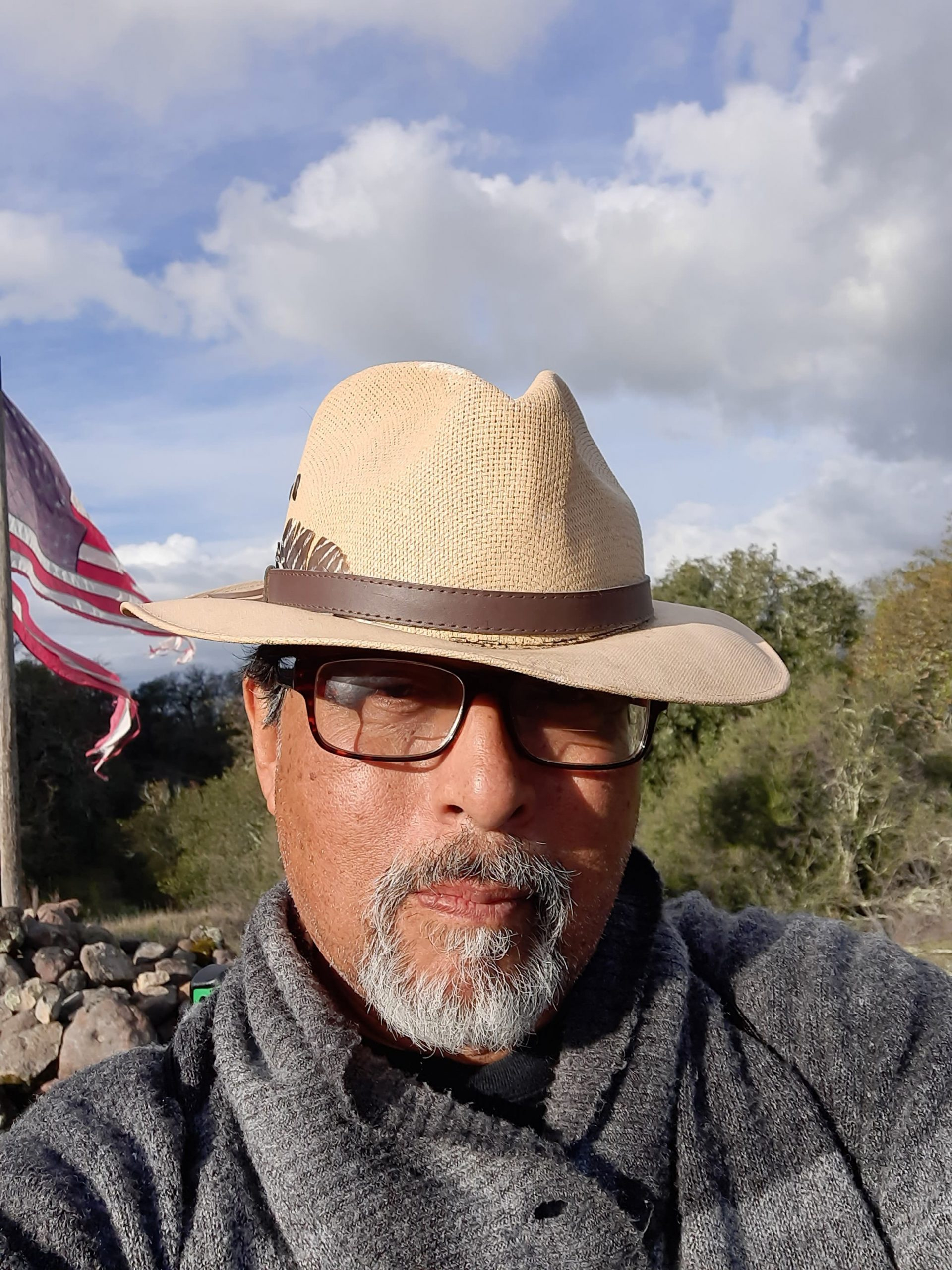
Richard Talavera, a cherished actor, playwright, and cultural advocate, passed away on July 28 at the age of 73. He died peacefully at a local hospital, surrounded by his sisters and niece, after a brief four-month battle with cancer. “When he was diagnosed, he said, ‘I had a damn good life,’” recalled his sister Jackie Talavera.
Born on Jan. 17, 1952, in Los Angeles, Talavera spent most of his life in the San Francisco Bay Area, as did the rest of his family. A longtime resident of Yountville’s Veterans Home in Napa Valley, Talavera left a lasting legacy through his artistic vision and dedication to preserving Mexican cultural traditions.
His death was first shared on social media by close friends and fellow artists, who immediately reflected on the impact he made both personally and professionally.
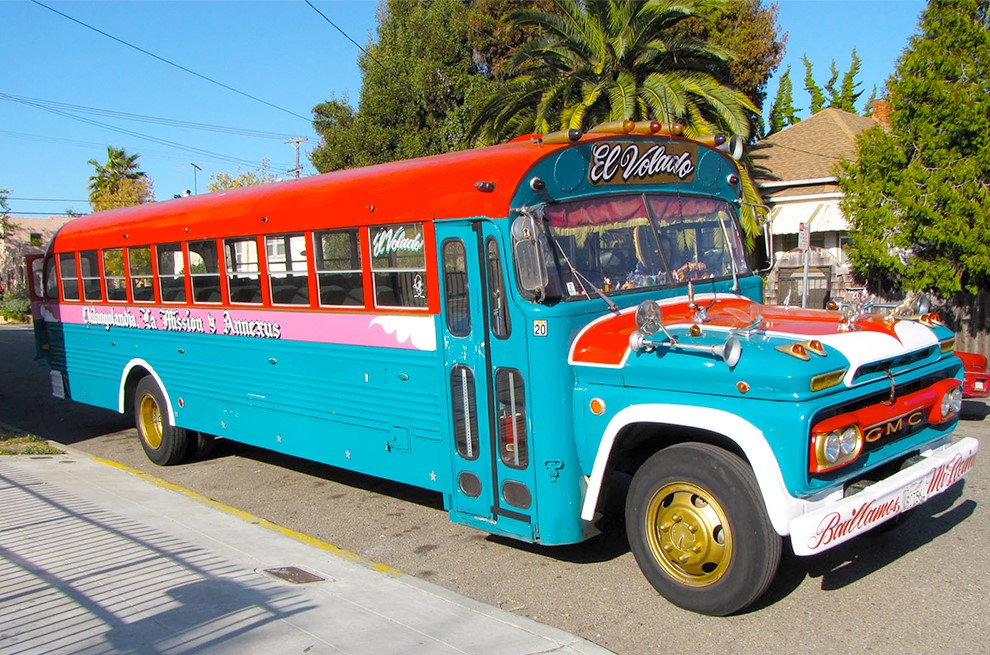
Talavera’s unique contributions centered around his collaboration with fellow artist and entrepreneur Toni Hafter, who is Jewish. Together, they were co-creators and partners in The Mexican Bus project, a visionary endeavor that brought Mexican public transit art and culture to life in the Bay Area.
The project originated with Hafter’s transformation of a faded church bus into El Volado, a vibrant mobile art space celebrating Mexican heritage. Talavera joined this effort by bringing his Chicano playwright perspective to Lola, another bus launched in 2001 as part of The Mexican Bus fleet in Richmond, California. His artistic influence helped infuse the buses with cultural depth, blending visual arts with storytelling and performance.
The Mexican Bus project became more than just transportation. It was a living, moving celebration of Latino identity and history, offering salsa rides, community gatherings, and a platform for local artists to share their work. Talavera and Hafter’s vision was to preserve the rich tradition of Mexican public transit art—a colorful and distinctive cultural expression seen throughout Mexican cities—and to foster Latino cultural pride in their community.
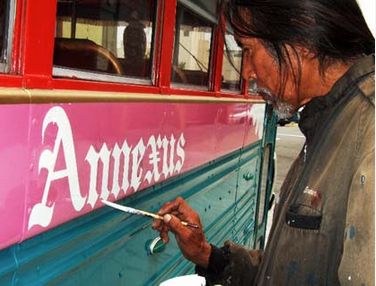
After The Mexican Bus experience ended, Talavera semiretired but continued teaching improvisational theater and writing poetry, staying connected to the creative world that had defined much of his life.
Talavera’s involvement in theater was extensive and deeply impactful. In 2016, he was featured in the Central Works’ season-closing production Into the Beautiful North. Additionally, he participated in Moving Art House, a dynamic project that utilized the bus as a platform for innovative programming in southeast San Francisco.
Throughout his career, Talavera produced numerous plays including The Trail of Los Siete, Chac, Macairo Meets La Muerte, Poeta Pan (co-authored), Popol Vuh, and more recently Before The Dream, a celebration of author Richard Wright and Black expatriates in Europe. His original play concepts include Rampage, The Last Taboo, Land, and the open-air Truly Needed Travlin’ Show.
Talavera was a proud member of Teatro Latino and Teatro de La Esperanza, touring extensively as an actor across the United States, with performances in Mexico and Chile. In the summer of 2016, he was engaged in finishing his play The Entertaining Journey through Central Works’ Playwright Workshop, reflecting his lifelong commitment to evolving as an artist.
Beyond his theatrical work, Talavera was the owner of The Mexican Bus, integrating his passion for art, community, and cultural preservation into this unique business venture.
Friends and colleagues remember Richard Talavera as a passionate, warm-hearted individual who championed both art and social justice. His involvement in theater and community arts initiatives reflected a lifelong commitment to celebrating and empowering Latino voices.
The Veterans Home of California-Yountville, where Talavera spent his final years, is the nation’s most comprehensive veterans’ facility, providing care and community to former military members. Talavera’s residence there reflects his service and dedication beyond the arts, adding another layer to his complex and inspiring life story.
Talavera is survived by four brothers and sisters—Raymundo (Ofelia), Margie, Jackie (Richard), and Emma (Rudy) Sister-in-Law Patricia,—along with three nephews (Rudolph, Evaristo, Franklin) and two nieces (Jessica and Christina (Tiana, Alejandro, Santiago), all from the Bay Area. He was predeceased by his father Frank, mother Esther, and brother Frank Jr.
Talavera’s passing has inspired an outpouring of love and remembrance from those who knew him. His artistic legacy, particularly through The Mexican Bus, continues to influence the Bay Area’s cultural scene. The project remains a testament to the power of community-driven art and the importance of preserving cultural heritage.
As the Bay Area remembers Richard Talavera, his story is a reminder of how art connects people, honors roots, and builds bridges across generations. His collaboration with Toñia Hafter and their shared vision for The Mexican Bus will live on as a vibrant symbol of Mexican-American culture and pride.
For many, Talavera was more than an artist; he was a cultural ambassador and a beloved community member whose creative spirit and dedication left an indelible mark on the region.
— With collaborations.