by Marvin Ramírez – Opinion
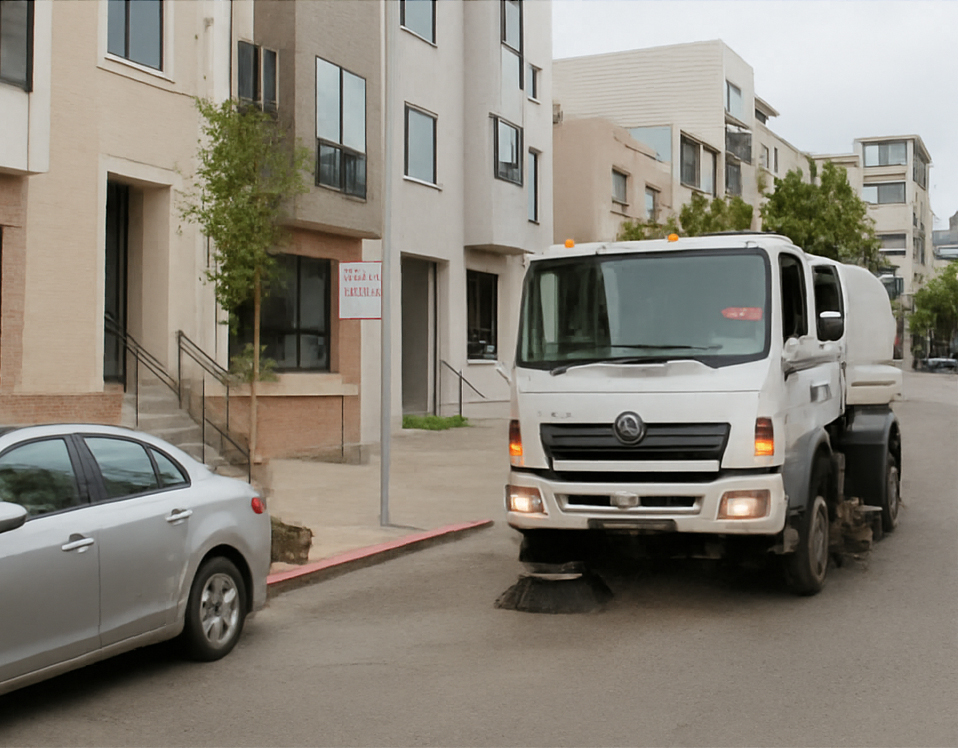
In many San Francisco neighborhoods, residents are familiar with the dreaded street-cleaning signs: “No Parking Street Cleaning” on certain days or hours. The city’s sweeping trucks arrive, and cars that remain parked are slapped with fines, sometimes reaching $108 or more. While the goal of keeping streets clean is understandable, the system often feels excessive, especially in areas where litter is minimal and street conditions are already pristine.
Consider new construction neighborhoods or recently revitalized blocks where trash is rarely seen. Most newly built residential buildings even have their own staff making sure sidewalks and street curves remain clean. Despite this, the city’s sweeping crews pass through, issuing citations to anyone who didn’t move their vehicle. The logic behind mandatory street cleaning doesn’t always align with actual neighborhood needs, creating a tension between municipal regulations and daily life.
One potential solution is to allow neighborhoods to take control of their own street maintenance. Residents could organize voluntary cleaning efforts, ensuring sidewalks and streets remain tidy, while the city exempts those blocks from regular sweeping fines. This approach acknowledges that many community members are responsible and willing to maintain a clean environment. It also avoids penalizing people simply for following their everyday routines—and this model could work especially well in non-commercial zone neighborhoods, where ommunity participation is stronger, and pedestrian movement is very minimal.
Furthermore, shifting responsibility to neighborhoods could foster a greater sense of ownership and pride. Streets could be cleaner not because of fines and schedules, but because residents actively care for their environment. The city could still provide support with resources like trash bags, collection bins, or occasional professional sweeps, but the day-to-day upkeep could become a local effort rather than a strictly enforced mandate.
This model might not work everywhere, and it would require a coordinated system to ensure consistency and safety. But in areas where community involvement is strong, it could reduce unnecessary fines and build stronger connections among neighbors. Street cleaning could move from a punitive process to a collaborative one, striking a balance between city standards and neighborhood realities.
Ultimately, the conversation isn’t about eliminating street cleaning but about making it smarter and more flexible. By empowering neighborhoods to manage their own streets, San Francisco could maintain clean roads without alienating residents or imposing undue financial burdens.