by the El Reportero staff
As anticipation builds for the FIFA World Cup 2026, which will be jointly hosted by the United States, Mexico, and Canada, a growing concern across Latin America is not about goals, stadiums, or teams — but visas.
The 2026 tournament will be historic in scale, expanding to 48 national teams and attracting millions of international fans. The United States alone will host the majority of matches, including key knockout rounds. For many Latin American supporters, however, the excitement is tempered by uncertainty over whether they will be allowed to enter the country to attend the games.
Recent media reports and political debate have fueled confusion, with claims circulating that the United States may deny visas to citizens from certain countries during the World Cup period. In reality, U.S. officials have clarified that there is no blanket ban on tourist visas for World Cup fans, but entry will still depend on existing immigration rules and individual screening.
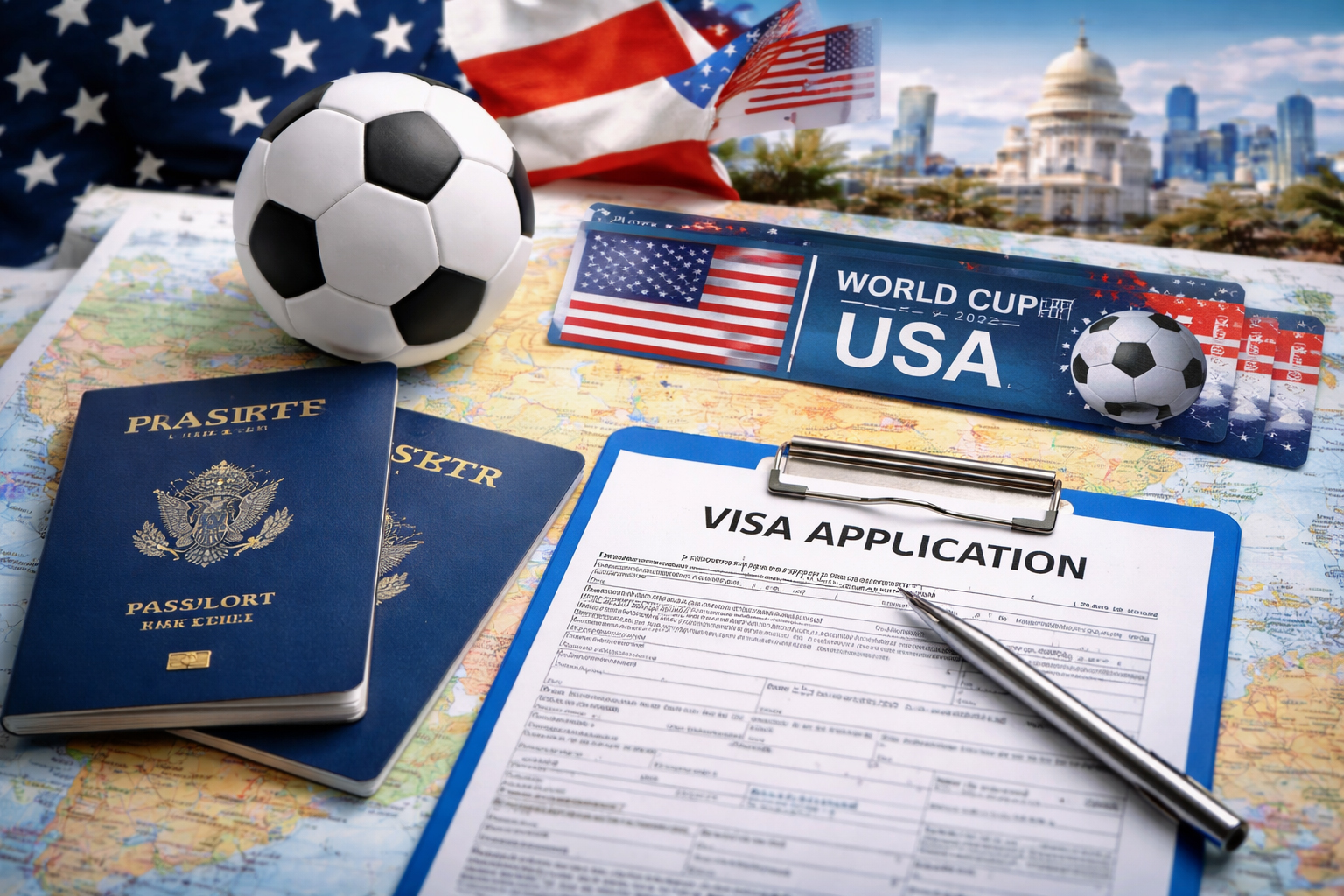
Holding a match ticket does not guarantee entry into the United States. Fans must still obtain a valid tourist visa (B1/B2) or qualify under the Visa Waiver Program. To manage the expected surge in applications, U.S. authorities have announced a special process — often referred to as a “FIFA Pass” — designed to prioritize visa interviews for ticket holders. While this system may speed up appointments, it does not ensure approval.
For Latin American countries with historically long visa wait times, the concern is logistical as much as political. In some nations, tourist visa interview backlogs stretch for months or even years. Without early preparation, many fans risk missing the opportunity altogether.
Diplomatic pressure is also mounting. Leaders from several Latin American nations have urged Washington to streamline the visa process, warning that restrictive access could undermine the spirit of a tournament meant to unite cultures and continents through sport.
As the World Cup approaches, the message from immigration experts is clear: fans hoping to attend matches in the United States should apply early, follow official guidance, and avoid misinformation. The world’s biggest sporting event may be played on the field — but for many, the first hurdle will be at the consulate.