Wednesday, July 29, 2026
Home Blog Page 83

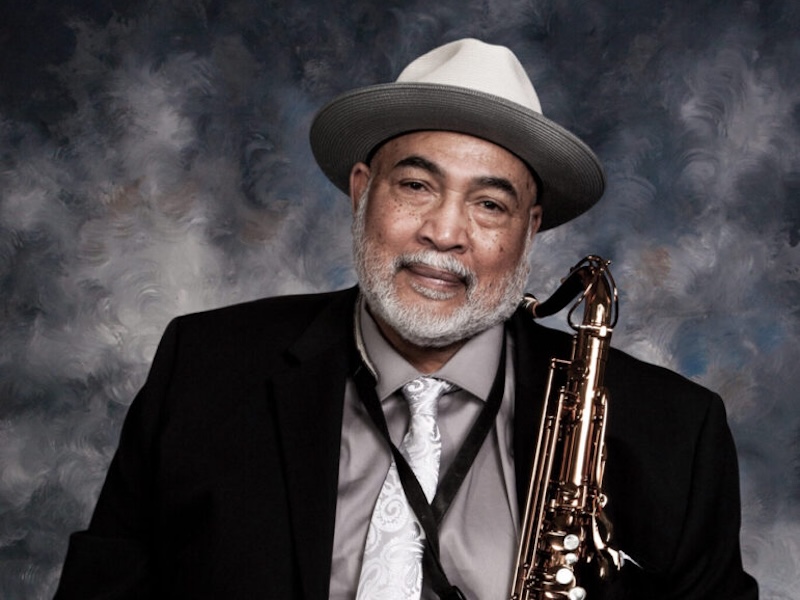
Jorge Pomar: A legacy of jazz and passion, leaves mourning on the bass

From left to right...2nd Alex Ocón, Bill Ortiz, Ballardo Rocha, Donaldo Mantilla, Josh Jones. Second Tom Bertteta, Karl Perazzo, Armando Cordoba, Jeffrey Cordoba, Marty Weiner, Ricky Aguilar.

by Marvin Ramírez

On November 2, 2024, Latin music and jazz lost one of its great exponents, bassist Jorge Pomar, who passed away after a brave battle against cancer. His musical and human legacy will endure among those who knew him and appreciated his art.

Born on October 25, 1950 in Lima, Peru, Jorge Pomar showed an exceptional talent for the bass from a young age. He began his career standing out in genres such as rock and traditional Peruvian music. In the early 1970s, he emigrated to San Francisco, United States, where he found his true calling in Latin jazz. There, his virtuosity led him to collaborate with prominent figures and to integrate innovative projects.

Among his most notable achievements is his participation as electric bassist in the recording of the Grammy-winning album Pacific Mambo Orchestra in the category of Best Latin Tropical Album during the 56th awards ceremony in 2013. In addition, he was part of notable productions such as Se acaba el Mundo (1996), which fused son jarocho with global styles, and performances with Los Cenzontles, a collective dedicated to preserving and renewing traditional music in the San Francisco Bay Area.

Jorge Pomar was also recognized by the National Academy of Recording Arts and Sciences with a Certificate of Recognition for his musical contribution. His dedication to art transcends genres and borders, consolidating him as a bridge between cultures through music.

Off stage, Jorge shared his life with Gladys, his wife and the love of his life, whom he married on August 21, 1968. His family and close circle were always a priority, and his loved ones remember his human warmth and the positive impact he left on them.

On November 2, family, friends and fellow musicians gathered at Driscoll’s Valencia Street Mortuary in San Francisco to pay a moving tribute. During the ceremony, cheers were raised in his honor, while some of his fellow musicians could not hold back their tears as they remembered his passing. These words and gestures reflected the admiration and affection that Jorge inspired throughout his life.

To support the family in this difficult time, a GoFundMe campaign was organized to cover funeral costs and provide future assistance to his family: [Link to fundraiser](https://www.gofundme.com/f/c8grf-support-for-papa-jeorges-funeral-costs?attribution_id=sl:001ac986-8e4b-4794-b375-81f8fc7de779).

Jorge Pomar leaves a deep void, but his spirit lives on in every note of the pieces he played, in the memories of those who knew him, those with whom he played, and in the legacy he built as a musician, husband, and friend. The music he loved and shared remains a living tribute to his extraordinary life.

He also leaves behind an extended family from a wife to children and grandchildren.

Note: El Reportero is preparing a longer story on the life of Jorge Pomar, and it will be published on El Reportero online: www.elreporteroSF.com. Stay tuned.

spot_img

Parental rights must prevail in children’s sex education decisions

Entorno de aula con estudiantes comprometidos con el aprendizaje. -- Classroom setting with students engaged in learning.

by the El Reportero‘s staff

In recent discussions about the role of schools in educating children about gender identity and sex education, many parents are voicing concern that such topics should remain within the family’s domain. Advocates for parental rights argue that it is inappropriate for educators to introduce young children to complex subjects like transgender identity and gender fluidity without parental consent.

A growing number of parents and child advocacy groups are calling for greater transparency and control over what is taught in schools, especially regarding sensitive topics such as sex education. Critics argue that introducing children to these issues at an early age can be an invasion of their privacy and may undermine their innocence.

“Parents, not schools, should have the primary responsibility for deciding when and how issues related to gender and sexuality are introduced to their children,” said Dr. Jennifer Roberts, a child development expert and advocate for parental rights. “Children are impressionable, and parents, who know their children best, should have the final say in their education on such personal matters.”

Supporters of this view believe that gender education in schools is not only unnecessary at an early age but could also create confusion for children who are still developing their understanding of themselves and the world around them. They argue that schools should focus on broader academic topics and leave discussions of gender and sexuality to be handled at home, where parents can offer guidance based on their own values and beliefs.

The debate has sparked strong reactions from both sides. Proponents of inclusive sex education in schools argue that introducing children to these issues early on can foster acceptance and understanding, and prevent bullying or discrimination. However, many parents insist that their rights to make decisions about their children’s education must be respected.

“The right to educate your child according to your own beliefs and values is fundamental,” said Roberts. “Sex education should be tailored to each family’s needs and not dictated by outside influences.”

As this issue continues to unfold, it highlights the need for ongoing dialogue between schools, parents, and policymakers to ensure that children’s emotional and educational needs are met while respecting the rights of families to guide their children’s upbringing.

– With reports from internet services.

spot_img

Trump confirms plan to use military for mass deportation

by El Reportero‘s wire services

President-elect Donald Trump indicated Monday that his incoming administration was preparing to declare a national emergency to mobilize military assets to crack down on illegal immigration and secure the border.

Trump responded “TRUE!!” to a Truth Social Post from Judicial Watch President Tom Fitton saying that the second Trump administration was “prepared to declare a national emergency and will use military assets to reverse the Biden invasion through a mass deportation program.”

The emergency declaration on the border would follow one Trump made during his first administration, which he announced on February 15, 2019, as he fought with Democrats in Congress over border security.

“We’re going to confront the national security crisis on our southern border, and we’re going to do it one way or the other,” he said at the time.

“We have an invasion of drugs and criminals coming into our country.”

Trump later vetoed a resolution from Democrats in Congress opposing the declaration, which allowed him to fund border wall construction.

His administration was sued by Democrat state attorneys general and leftist groups who claimed that the declaration was unconstitutional.

President Joe Biden revoked the emergency declaration on his first day in office as he reversed many of Trump’s immigration policies.

“I have determined that the declaration of a national emergency at our southern border was unwarranted. I have also announced that it shall be the policy of my Administration that no more American taxpayer dollars be diverted to construct a border wall, and that I am directing a careful review of all resources appropriated or redirected to that end,” Biden wrote in February 2021.

Under Biden’s administration, illegal immigration hit record highs as more than 10 million people crossed into the United States. Polling showed that Biden’s handling of immigration was unpopular, while Trump’s positions were broadly supported.

Trump has already tapped immigration hawks like Tom Homan and Stephen Miller for key positions in his administration. Homan, who was picked to be Trump’s border czar, has already promised to carry out Trump’s deportation plans and endorsed extending construction of a border wall.

Throughout his 2024 campaign, Trump promised to enact the largest deportation program in American history.

“Really, we have no choice,” he told NBC earlier this year. “When people have killed and murdered, when drug lords have destroyed countries, and now they’re going to go back to those countries because they’re not staying here. There is no price tag.”

spot_img

Parking politics—a war on drivers or a step toward safer streets?

The ongoing global push for climate initiatives has sparked heated debates over their true intent and impact. Among the most contentious measures is the perceived assault on private vehicle ownership. Many argue that behind the lofty rhetoric of combating climate change lies a concerted effort to erode personal freedoms—starting with our parking spaces. The latest parking restrictions in cities like San Francisco are emblematic of a broader trend, raising concerns about whether this is a war against drivers or a legitimate effort to promote safety and sustainability.

Parking woes and the climate agenda

For decades, cars have symbolized freedom and personal mobility. However, recent policies—from vehicle emission restrictions to city planning that prioritizes pedestrian zones—have sparked criticism. Central to this backlash is the belief that global elites, often working through entities like the United Nations, are orchestrating an agenda to create car-free cities under the guise of fighting climate change.

Removing parking spaces, critics argue, isn’t just an inconvenience; it’s a calculated move to make driving impractical and punitive. Cities worldwide have begun replacing parking spots with bike lanes, bus-only corridors, and pedestrian walkways. While these changes aim to promote greener transportation options, many citizens feel excluded from the decision-making process.

The case of “Daylighting” in California

The new “daylighting” law in California underscores this tension. By prohibiting parking within 20 feet of intersections to improve pedestrian visibility, cities like San Francisco are losing thousands of parking spots. While advocates like Jodie Medeiros, Executive Director of Walk San Francisco, emphasize the measure’s life-saving potential, drivers feel the sting of yet another restriction on their mobility.

“I live in a dense area, and this law makes finding parking even harder,” said John Goins, a San Francisco resident. He believes the measure disproportionately impacts urban drivers who already struggle with limited space. Critics argue that the law lacks nuance—failing to differentiate between large SUVs that obstruct views and smaller vehicles that don’t pose the same hazard.

The law’s implementation also leaves much to be desired. With no dedicated funding for repainting curbs or removing obsolete parking meters, the burden falls on drivers to navigate unclear rules—at the risk of incurring fines.

A war of convenience or necessity?

Proponents of these measures argue that prioritizing pedestrian safety and reducing car dependency are essential for sustainable cities. Yet, skeptics see a more insidious motive: a war against the everyday driver. Removing parking spaces, increasing fines, and promoting public transit, they contend, are part of a broader strategy to discourage private transport. This not only limits individual freedom but also hits low-income communities hardest, as they are less likely to afford alternatives like electric vehicles or rideshares.

Moreover, the broader implications of such policies cannot be ignored. When drivers are forced to park illegally or spend excessive time circling for spaces, it fuels frustration, not environmental change. For many, the car remains a necessity—not a luxury. Parents shuttling kids, small business owners making deliveries, and workers commuting long distances all depend on reliable access to their vehicles.

A path forward: balance, not extremes

Climate-conscious urban planning and private transport are not mutually exclusive. Policies must balance safety, environmental goals, and the practical realities of modern life. Measures like daylighting, while well-intentioned, should be implemented with input from communities, considering their unique needs and challenges. For example:

  • Targeted rules: Tailor restrictions to vehicle size and street conditions, instead of blanket bans.
  • Incentives over penalties: Provide incentives for eco-friendly behaviors, such as subsidized electric vehicles or discounted transit passes, rather than relying solely on fines.
  • Public engagement: Involve residents in urban planning to ensure new policies align with local realities.

The parking wars in California are a microcosm of a larger battle over the future of transportation. While safety and sustainability are vital, these goals must not come at the expense of citizens’ autonomy and livelihoods. Governments must tread carefully, balancing the urgency of climate action with the everyday needs of those they serve. Anything less risks alienating the very people whose support is essential for lasting change.

The road ahead is clear: collaboration, not coercion, is the key to a sustainable and equitable future.

-With contribution by ABC7News report.

spot_img

UK weather agency accused of ‘inventing’ temperature data to push climate change narrative

Chenies, Buckinghamshire, Reino Unido - 11.09.23: cartel del radar meteorológico de la Oficina Meteorológica con un radomo estilo pelota de golf. -- Chenies, Buckinghamshire, UK - 09.11.23: Sign for the Met Office Weather Radar with a golf ball-style Radome

Following Freedom of Information requests to the Met Office and diligent field work, citizen journalist Ray Sanders has discovered that 103 stations out of 302 sites supplying temperature averages do not exist

por Chris Morrison

Shocking evidence has emerged that points to the U.K. Met Office inventing temperature data from over 100 non-existent weather stations. The explosive allegations have been made by citizen journalist Ray Sanders and sent to the new Labour Science Minister Peter Kyle MP. Following a number of Freedom of Information requests to the Met Office and diligent field work visiting individuals stations, Sanders has discovered that 103 stations out of 302 sites supplying temperature averages do not exist. “How would any reasonable observer know that the data was not real and simply ‘made up’ by a Government agency,” asks Sanders. He calls for an “open declaration” of likely inaccuracy of existing published data, “to avoid other institutions and researchers using unreliable data and reaching erroneous conclusions.”

In his home county of Kent, Sanders charges that four of the eight sites identified by the Met Office, namely Dungeness, Folkestone, Dover and Gillingham – which all produce rolling temperature averages to the second decimal place of a degree – are “fiction.” Sanders notes that there has been no weather station at Dungeness since 1986. The Daily Sceptic is able to confirm that none of the four stations appear in the list of Met sites with a classification from the World Meteorological Organisation (WMO). The Met Office directs online inquiries about Dover to the ”nearest climate station” at Dover Harbour (Beach) and provides a full set of rolling 30-year averages. According to Met Office co-ordinates, the site is on Dover beach as the Google Earth photo below shows. It seems unlikely that any scientific organisation would site a temperature monitoring station that is likely to be submerged on a regular basis. Who is running this station on the beach, have accurate records been kept for 30 years and why is it not listed under the 380 sites that are given a WMO rating?

Of the 302 sites quoted, Sanders notes that the Met Office “declined to advise me” exactly how or where the alleged “data” were derived for these 103 non-existent sites.

The practice of “inventing” temperature data from non-existent stations is a controversial issue in the United States where the local weather service NOAA has been charged with fabricating data for more than 30 percent of its reporting sites. Data are retrieved from surrounding stations and the resulting averages are given an “E” for estimate. “The addition of the ghost station data means NOAA’s monthly and yearly reports are not representative of reality,” says meteorologist Anthony Watts. “If this kind of process were used in a court of law, then the evidence would be thrown out as being polluted,” he added.

In its historical data section, the Met Office lists a number of sites with long records of temperature data. Lowestoft provides records going back to 1914 but it closed in 2010. Since that date the figures have been complied on an estimated basis. The stations at Nairn Druim, Paisley and Newton Rigg are similarly closed but still reporting estimated monthly data. “Why would any scientific organisation feel the need to publish what can only be described as fiction?” asks Sanders. “No scientific purpose can possibly be served by fabrication,” he suggests.

It is possible that the Met Office has a reasonable scientific explanations for the way it collects temperature data. Temperature calculation is an imprecise science but concerns have mounted because the data are being used for overtly political purposes to promote the Net Zero fantasy. Alarmists claim that very small temperature rises can make a large climatic difference. To whip up global fear, temperature figures supposedly compiled with an accuracy to one hundredth of a degree centigrade are quoted from sources such as the Met Office and NOAA. To date, the Met Office has been silent over the gathering storm surrounding its figures and the organisation refuses to return the calls of the Daily Sceptic.

Sanders refers to another large temperature measurement problem at the Met Office surrounding the WMO classification of its sites. Almost eight in 10 sites are rated in junk classes 4 and 5 with possible “uncertainties” of 2°C and 5°C respectively. This means, notes Sanders, that they are not suitable for climate data reporting purposes according to international standards which the Met Office was party to establishing. Only 52 Met Office stations, or a paltry 13.7 percent, are in Class 1 and 2 with no suggested margin of error. Actually, mark that down by at least one. In his travels, Sanders pointed out the possible heat corruptions at Class 1 Hastings and this site has now been dropped to Class 4. The Met Office is said to have confirmed that the default classification for stations is set at Class 1, “unless manually adjusted.”

The Daily Sceptic has investigated the poor siting of many Met Office stations with obvious heat corruptions making a mockery of attempts to measure the naturally occurring air temperature. Sanders lists the problems of many of these unsuitable sites including those placed in walled kitchen gardens and botanical gardens specifically designed to produce artificially increased temperatures and microclimates. Other unsuitable sites include in or near car parks, airports, domestic gardens, sewage and water treatment plants, electricity sub-stations and solar farms.

Sanders has an interesting take on the recent closure of many rural temperature measuring sites. In 1974 there were 32 operational sites in Kent, but this has now fallen to seven. The switch to new electrically-operated platinum resistance thermometers required a reliable electricity supply and data communication. Many rural sites were closed down because such facilities were not available in the early days of automation. But by eliminating cooler recording sites from the overall data record, this left predominantly urbanised sites to cause an unrepresentative temperature uplift from the slewed averages. “Statistical sleight of hand (however inadvertent it may have been) produced inaccurate historic misrepresentation,” observes Sanders.

In his open letter to Peter Kyle MP, Sanders states that he has demonstrated with hard evidence that the Met Office is “clearly fabricating” data. In addition, it is failing to meet high standards of scientific integrity and is not producing reliable or accurate data for climate reporting purposes from a network of poorly sited and inadequately maintained locations. Peter Kyle is the Minister responsible for the Met Office and has yet to respond to Sanders’s allegations. Ray Sanders has done an excellent research job in providing new and highly relevant details in what is becoming a significant scientific scandal. To date, despite repeated requests, the Met Office has refused to make any comment and defend its own temperature measurements and calculations. While the silence in Government, Parliament and the Met Office, aided by a total lack of interest in the mainstream media, is maintained, it can only be assumed that the interests of the Net Zero promotion override any concerns about the underlying scientific data.

Reprinted with permission from Daily Sceptic.

spot_img

How prepared is Mexico for a mass US deportation operation?

Es probable que México reciba un número significativo de deportados durante el segundo mandato de Trump como presidente, si no los millones que ha prometido expulsar. -- Mexico is likely to receive a significant number of deportees during Trump's second term as president, if not the millions he has promised to expel.

by Mexico News Daily

United States President-elect Donald Trump confirmed on Monday that he plans to use the U.S. military to carry out his proposed mass deportation operation, an initiative that could result in millions of immigrants being sent to Mexico.

On his social media platform Truth Social, Trump shared a Nov. 8 post by the president of the conservative group Judicial Watch, Tom Fitton, who, citing “reports,” wrote that the incoming Trump administration is “prepared to declare a national emergency and will use military assets to reverse the Biden invasion through a mass deportation program.”

The Times also reported that “one major impediment to the vast deportation operation that the Trump team has promised in his second term is that Immigration and Customs Enforcement, or ICE, lacks the space to hold a significantly larger number of detainees than it currently does.”

However, it noted that Stephen Miller, Trump’s top immigration policy adviser, said in late 2023 that military funds would be used to build “vast holding facilities that would function as staging centers” for immigrants as their cases progressed and they waited to be flown to other countries.

The news website Axios reported that “Trump’s mass deportations are expected to impact roughly 20 million families” across the United States.

There are an estimated 11 million undocumented immigrants living in the United States, a significant number of whom are Mexican. Former foreign affairs minister and current Environment Minister Alicia Bárcena said in February that there were 5.3 million undocumented Mexicans living in the United States.

In addition to Mexicans, the United States could attempt to deport nationals of other countries, such as Venezuelans, Nicaraguans and Cubans, to Mexico.

Citizens of those nations “are sometimes unable to be deported to their origin countries for diplomatic reasons,” The New York Times reported.

Mexico ‘must be ready’ for mass deportations, but is it?

Mariana Aparicio Ramírez, a National Autonomous University (UNAM) academic and member of the Observatory of the Mexico-United States Binational Relationship, said in an interview with the newspaper El Financiero that “Mexico must be ready for arrests [of immigrants in the United States] and the mass return of Mexicans and other latinos.”

“Trump has the support of the citizens and that means that what is politically incorrect can be politically viable,” she said.

President Claudia Sheinbaum has pledged to “defend” Mexican migrants at risk of deportation, and advised them to seek advice or assistance at Mexican consulates in the United States.

Sheinbaum, who spoke to Trump by telephone two days after his Nov. 5 election victory, hopes that Mexican officials can meet with the incoming president’s transition team before he takes office on Jan. 20 to put forward a case against mass deportations.

The United States economy would inevitably suffer from the deportation of a large number of workers, a point Mexican officials would likely raise with members of Trump’s team.

Nevertheless, it appears likely that Mexico will receive a significant number of deportees during Trump’s second term as president, if not the millions he has promised to expel.

As Mexico News Daily reported earlier this month in an article on what a second Trump presidency will mean for Mexico, the Mexican economy — currently slowing — could struggle to provide jobs for large numbers of deportees who suddenly find themselves in Mexico after being uprooted from their lives in the U.S.

The Washington Post reported last week that migrant advocates in Mexico “are alarmed at what’s coming,” noting that they have said that “sending millions of jobless Mexicans back to towns they left years ago could create chaos in areas already suffering from poverty and organized crime.”

The Post spoke to two men who run migrant shelters on the Mexico-U.S. border for an article it headlined “Trump promised mass deportations. Mexico isn’t ready.”

“Neither the shelters nor the border area nor Mexico are ready for this,” Héctor Silva, a Protestant pastor who runs the Senda de Vida migrant shelter in Reynosa, Tamaulipas, told the Post.

Migrant shelters in Mexico’s border cities already struggle to accommodate migrants who make the long and dangerous journey through the country in their attempt to reach the United States.

Francisco Gallardo, a Catholic priest who runs the Casa del Migrante shelter in Matamoros, another border city in Tamaulipas, told the Post that “no one is prepared for deportations” of the magnitude Trump has spoken about.

“Neither the governments nor the civil society organizations,” he said.

Adam Isacson, a migration analyst and director for defense oversight at the Washington Office on Latin America (WOLA), said that deportees to Mexico “will be thrown into a new kind of poverty” because they won’t be able to find jobs with wages comparable to those they earned in the United States.

That situation “will make them more desperate,” he said.

Deportees could even be tempted to work for organized crime groups in Mexico, one of the largest employers in the country, according to a 2023 study.

One person who is less concerned about Mexico’s capacity (or lack thereof) to absorb large numbers of deportees is Arturo Rocha, a former senior immigration official in Mexico.

“We are prepared to receive large numbers; we have done this before,” he told the Post. “But the key question is, how massive will massive deportations be?”

Sheinbaum, who also faces the task of defusing Trump’s tariff threats, appears optimistic — or at least hopeful — that the number of immigrants deported won’t be as high as the incoming U.S. president has said it will be.

Asked last week about the potential impact of deportations on remittances to Mexico, Sheinbaum simply said, “We hope there is no impact,” i.e. that no, or virtually no, Mexican immigrants are deported.

For his part, Trump’s incoming “border czar” Thomas Homan said in October that deportations during the second Trump administration wouldn’t be “a mass sweep of neighborhoods” to detain undocumented immigrants.

“It’s not going to be building concentration camps. I’ve read it all. It’s ridiculous. It’ll be concentrated. They’ll be targeted arrests,” he said.

With reports from Axios, The New York Times, El Financiero and The Washington Post

spot_img

‘A pivotal moment?’ Why many Latino voters in California chose Trump

Adrian Jurado, un pintor, pinta una pared para un negocio en el centro de Los Banos el 7 de noviembre de 2024. -- Adrian Jurado, a painter, paints a wall for a business in downtown Los Banos on Nov. 7, 2024. Photo by Larry Valenzuela, CalMatters/CatchLight Local.

In part due to economic and border security concerns, Latinos in California appear to have moved toward Donald Trump. But that doesn’t necessarily mean they’re abandoning the Democratic Party

by Yue Stella Yu

CallMatters

MERCED – At first, Marlyn Huesgew Mendoza registered as a Democrat. In 2020, she re-registered as a Republican and voted for Donald Trump for president, as she did this election.

The reason is simple: It was in 2018 — when he was in office — that her family was finally able to buy a house in Merced. The same year, the Trump administration approved her Guatemalan mother’s citizenship application — one that had been rejected under President Barack Obama, she said. The approval letter had Trump’s signature on it.

“She’s like: ‘Look who adopted me,’” said Huesgew Mendoza, a 25-year-old graduate from University of California Merced and an administrative assistant at the Merced County Hispanic Chamber of Commerce.

“Once he came in and it was just so easy for us, I was like, ‘Huh, he might not be as scary as people may think.’”

Most — if not all — of California’s 12 Latino-majority counties gave a larger share of their vote to Trump compared to 2020, and counties with a higher share of Latino population swung further toward Trump, according to a CalMatters analysis of state voting data. Trump also expanded his vote share in most other counties in California.

But does that signal a rightward shift among Latinos and a departure from the Democratic Party in California?

Absent conclusive demographic data on votes cast in this election, pollsters disagree over how much their surveys show Latinos shifting toward Trump. The AP VoteCast, which surveyed more than 120,000 voters nationwide in English and Spanish, shows 55 percent of Latino respondents supported Vice President Kamala Harris, while 43 percent backed Trump. In 2020, Joe Biden won 63 percent of the vote among Latino respondents versus Trump’s 35 percent.

But almost all polls reached the same conclusion: Latino support has grown for Trump.

A mix of factors contributed to the apparent shift: Inflation blamed on an unpopular administration, concern over border security, resistance to Democrats’ messaging on cultural issues and Harris’ lack of appeal, according to pollsters, experts, political consultants and a dozen Latinos in the Central Valley who spoke to CalMatters.

How much other Republicans gained from the growing support for Trump remains to be seen. Nationwide, Democrats won four of the five battleground U.S. Senate seats and declared victory on abortion rights ballot measures in Arizona, Missouri and Nevada.

In California, with 88 percent of the estimated vote counted, Trump has received slightly fewer votes than Republican U.S. Senate candidate Steve Garvey. And in some counties within the state’s toss-up congressional districts, Democratic candidates appear to be outperforming Harris. In Merced County, which falls entirely into the 13th Congressional District, Democrat Adam Gray has received 5 percentage points more of the vote than Harris, with nearly 80% of the votes counted.

For Gray, who is narrowly trailing Republican Rep. John Duarte, this election does not reflect voters flocking toward Republicans.

“What you want to call a rightward shift, I would call a rejection of more of the same. Voters are saying … ‘We want you guys to change,’” he told CalMatters. “I think people want to see us get back to the basics, and if I’m elected to Congress, I’m going to do just that.”

But Mike Madrid, a longtime GOP consultant with an expertise in Latino politics, called this election a “five-alarm fire” for Democrats, who he said have gradually lost support among Latino voters since 2012. He pointed to a pair of Pew Research Center surveys, which suggested Latino support for the Democratic presidential candidate dropped from 71 percent for Obama in 2012 to 59 percent for Biden in 2020.

In California, a majority of Latinos have firmly supported Democrats after former GOP Gov. Pete Wilson championed Proposition 187, which was approved by voters in 1994 to deny benefits to undocumented immigrants but was blocked by the courts. But that support could erode as cost of living increases, alienating working-class residents, many of whom are Latinos, Madrid said.

“I think this is a pivotal moment. I think it’s as significant as the Prop. 187 moment in 1994, except it was a wake-up call for Republicans,” Madrid said.

But some experts warned it may be too early to tell if the past three presidential elections are a referendum on the Democratic Party, given that Democrats have won toss-up statewide races in battleground states and have won every statewide race in California since 2006.

This election is an outlier, with Biden withdrawing from the race and passing the torch to Harris so late in the campaign, said Roberto Suro, a professor of journalism and public policy at the University of Southern California.

“You’ve got to put an asterisk on this election, or actually, multiple asterisks. Trump as a candidate is a giant asterisk,” Suro said. “Trying to say we are seeing any kind of permanent realignment is a mistake.”

‘The bottom line is money’

Huesgew Mendoza isn’t alone in believing that her life changed for the better after Trump took office in 2017.

Sandra Izaguirre, a 34-year-old in-home caretaker from Lancaster in Los Angeles County, said she supported Obama in 2008, but not in 2012. Then a first-time mother working at a fast food restaurant, Izaguirre needed health care. Obamacare required bigger businesses to provide full-time employees health benefits or pay a fee, so Izaguirre said her employer just cut her hours to disqualify her.

“I wasn’t improving. If anything, I was hurting more,” she said. “I just wanted a change already.”

That drove her to vote for Trump in 2016. A year later, Izaguirre said, she was able to buy her first home.

But because she couldn’t work as an in-home caregiver during the COVID-19 pandemic, she said she almost defaulted on her house but was saved by a federal mortgage relief program approved on Trump’s watch. The economic downturn, mixed with the state’s failure to stop unemployment benefits fraud, was “a recipe for disaster,” she said.

Even economic concerns, however, weren’t enough to drive Izaguirre to the polls this November. But that’s not because she didn’t support Trump: She said her vote for him in deep-blue California would not have made a difference anyway.

But the economy is top of mind among Latino voters, as well as among voters overall, as polls have consistently shown throughout the 2024 campaign. Latino and Black Americans are the most likely to feel the pinch of high inflation compared to the overall population, according to a 2022 analysis by the Federal Reserve Bank of New York.

Latinos in California make up 40 percent of the state’s population but more than half of poor Californians, according to an analysis by the Public Policy Institute of California last year. The poverty rate among Latinos rose to 16.9 percent in fall 2023 compared to 13.5 percent in fall 2021, the analysis shows.

It’s a pain felt by Annissa Fragoso, a Merced insurance agent who voted for Harris this year. As a business owner, she said, she’s “struggling a lot with the insurance industry” and growing frustrated with state Insurance Commissioner Ricardo Lara, a Democrat.

“The Latinos in the past were registered and supportive of the Democratic Party, but it has not been very supportive of us,” she said.

Fragoso, who lost in the March primary for the Merced County Board of Supervisors, said she spoke to a lot of Latino voters who saw Trump as an agent of change on the economy.

“The bottom line is money,” she said.

Adrian Jurado, a painter in Los Banos who said he never registered to vote since he believed he couldn’t make a difference, said that ever since the pandemic, there were fewer painting jobs because people weren’t willing to spend anymore. But when Trump was in office, he said, the economy seemed better.

“I’ve never had it like this,” he said. “It used to be that you could put a little bit away. I wasn’t able to put nothing away.”

While consumer prices have climbed by 20 percent over the past four years, average wage gains actually outpaced inflation, according to an analysis by the NBC News. But that does not match people’s perception, as expenses keep rising, the analysis says. Many voters frustrated with the economy embraced Trump, even as economists warn that Trump’s proposed tariffs could hike prices even further nationwide as well as in California.

But voters may be punishing incumbents rather than voting for Republicans, said Rodrigo Dominguez-Villegas, research director at the Latino Policy & Politics Institute of UCLA.

“You get reminded of those high prices every single day because you are buying something every single day,” he said. “High inflation was a global phenomenon. It was not unique to the United States. But who happened to be in power when it happened? It was Biden and Harris.”

Julián Castro, CEO of the Latino Community Foundation, said Trump’s win resembles the victories of Ronald Reagan in 1980 and George W. Bush in 2000: All three campaigned against a Democratic administration that “faced headwinds,” he said.

“In 1980, the economy was similar to 2024, at least in people’s minds,” Castro said. “In 2000, after eight years of Democratic governance, there was a pent-up demand for a change.”

But even though they are frustrated at the economy under the Biden administration, most Latinos who spoke to CalMatters said it doesn’t mean they will continue to vote Republican.

“I’ll just see how it goes in the (next) four years,” Izaguirre said.

‘That’s not me’

Trump has promised to conduct the largest deportation in American history, targeting immigrants in the country illegally, with or without criminal records.

But Izaguirre, as well as other Latino Trump supporters who spoke to CalMatters, said they do not want undocumented immigrants who have been working in the country for years to be deported. The majority of them supported providing legal status for those immigrants — a policy Democrats have championed.

Trump’s victory has terrified some migrants at the border and undocumented immigrants in California.

“I feel worried because I don’t know what the future will be for us people who don’t have documents, and we work here,” an undocumented immigrant in Delano told CalMatters in Spanish. CalMatters is not naming him due to his concern for his safety.

But others said Trump’s mass deportation plan would not touch them.

“He said he was going to deport people who have a bad record. That’s not me. I don’t have a bad record,” said a farmworker in Stanislaus County who spoke to CalMatters on the condition of anonymity and who said she came to the country by paying off a “coyote” — a term for smugglers — 20 years ago.

Huesgew Mendoza likened Trump’s mass deportation to yelling fire in the theater. “It just sounds too scary, too major,” she said.

And Aaron Barajas, 46, who voted for Trump this year in his first presidential election, slammed policies that would “rip people apart from their family,” arguing those who are already established in the United States should be allowed to obtain legal documents. But he distinguished between those who are already living here and those who wish to come in, arguing Trump merely wants to “bring people into our country, but do it the right way.”

It appears Trump’s rhetoric on immigration has not deterred Latinos from voting for him, unlike the assumption Democrats have made following the passage of Prop. 187, Suro said.

“The hypothesis was that, when confronted with threats to the immigrant population and xenophobic rhetoric and harsh exclusionary measures toward immigrants … you would alienate Latinos,” he said. “Trump has very vividly disproven that.”

That’s in part because of “scapegoating” by Trump and his allies, who targeted migrants “physically at the border” for mass deportation, Castro said. “They cleaved the recent arrivals from people who have been here for a long time, and that’s why I think you hear people express confidence that he doesn’t mean them.”

Another factor could be the rapidly changing demographics among Latinos in California, as more young, U.S.-born Latinos become eligible to vote, experts say.

“Overall, fewer Latinos are as close as they used to be to the immigrant experience,” said Mindy Romero, founder and director of the Center for Inclusive Democracy at USC. “How close you are to the immigrant experience can directly affect how you view policy on internal (immigration efforts) versus border (immigration).”

The anti-immigrant sentiment could even be appealing to some Latino voters who are “fueled by a deep desire to assimilate or to be seen as belonging to a larger American culture and to differentiate themselves from those who are seen as outsiders,” said Dominguez-Villegas at UCLA.

A referendum on Democrats?

While it’s too early to draw firm conclusions from the election, the takeaway for Democrats is that they must be better at reaching Latino voters, something both major parties have done poorly in California, political consultants say.

California Democrats are “clearly in danger of losing Latino support long term” due to “bad branding” that lasted for more than a decade, Madrid said.

But, he added, “there’s very little evidence that suggests Latinos are becoming more conservative. There’s a lot suggesting they are becoming more populist.”

Michael Gómez Daly, a senior strategist with the progressive California Donor Table, said he’s unsure how best to counter the backlash Democrats faced from voters hurt by inflation, stressing that voters may remember Trump with “rose-colored glasses.”

However, he said, Trump proved “inspiring” among Latino voters even with his “problematic” rhetoric. Living in the toss-up 41st Congressional District where GOP Rep. Ken Calvert narrowly defeated Democrat Will Rollins, Gómez Daly said he saw conservative YouTube ads targeting young men all the time.

“I think Democrats need to recognize the economic situation that much of inland California is facing and speak to those problems and give hope to people,” he said. “I think that was lacking.”

CalMatters’ data reporter Jeremia Kimelman contributed to this story.

spot_img

Nature’s multivitamin: Barley grass helps protect the body from numerous diseases

by Olivia Cook

Barley grass, sometimes called “barley greens,” comes from the same plant that gives us barley grain – Hordeum vulgare – but it is harvested long before the grind is ready to grow. It is a bright green grass, packed with antioxidants, fiber, vitamins and minerals.

It is “nature’s multivitamin.” Barley grass is also considered a “functional food,” which means it doesn’t just feed your body – it also helps protect it from diseases. (Related: Barley goes from ancient grain to whole grain: New “buck naked” hull-free variety has higher nutrition for uses in food, feed, brew.)

Barley grass is being researched for its role in helping prevent chronic illnesses and even in supporting the body’s healing process. By including functional foods like barley grass in your diets, you may improve your quality of life and reduce the risk of developing diseases.

Take a look at what makes barley grass so special.

Antioxidants

Antioxidants are your body’s defense against molecules called “free radicals.” These molecules come from cigarette smoke, environmental pollution, processed foods and even stress. Left unchecked, free radicals can cause damage to your cells – leading to inflammation and diseases like cancer and heart disease. Barley grass is loaded with antioxidant vitamins, minerals, flavonoids and polyphenols, which help neutralize these free radicals and protect your body from harm.

Chlorophyll

Chlorophyll is the pigment that makes plants green and helps them absorb sunlight for photosynthesis – during which these green plants (and other organisms) capture light energy to convert carbon dioxide, water and minerals into energy-rich organic compounds and life-giving oxygen.

It turns out chlorophyll is also great for humans with its powerful detoxifying effect – helping your body eliminate toxins and other harmful substances. It also promotes healing and may even improve oxygen flow in the blood.

Amino acids

Proteins are made up of amino acids and barley contains all nine essential amino acids (histidine, isoleucine, leucine, lysine, methionine, phenylalanine, threonine, tryptophan and valine) – making it a complete protein. Barley grass also contains alanine, amide, arginine, aspartic acid, cystine, glutamic acid, glycine, tyrosine, purines and serine.

These amino acids act as the building blocks for just about everything in your body – your hair, muscles, skin and even your immune system. They help build muscle, repair tissues and are involved in many important processes, like enzyme production and hormone regulation. Some amino acids, like tryptophan, even help produce melatonin, which regulates your sleep-wake cycle, and serotonin, the “feel good” hormone that naturally uplifts your mood.

Amino acids from barley grass don’t just support the physical structures of your body – they also assist in detoxification, enhance the body’s ability to heal itself and help improve mental functions,

GABA

Short for gamma-aminobutyric acid, GABA is a naturally occurring amino acid found in barley grass that plays a huge role in calming your brain. Think of GABA as your body’s natural “chill pill.” It is a neurotransmitter – it helps nerve cells communicate with each other, particularly in your brain.

When your brain is overloaded with anxiety, stress or racing thoughts, GABA helps to calm things down. It essentially puts the brakes on those nerve signals that make you feel anxious or overwhelmed. Studies suggest that higher levels of GABA can lead to a more relaxed mind, better sleep and even improved mood.

GABA also helps regulate blood sugar levels – making it a valuable tool in preventing and managing diabetes. It improves how your body responds to insulin (the hormone that controls blood sugar) – helping you maintain steady energy levels throughout the day.

Enzymes

Enzymes are like the spark plugs in your body – without them, your body’s chemical reactions would grind to a halt. They help speed up vital processes – from digestion to detoxification and barley grass is packed with some of the most important ones, including catalase and superoxide dismutase (SOD).

Catalase helps break down hydrogen peroxide, a potentially harmful byproduct of metabolism, into oxygen and water. Without enzymes like catalase, toxins would build up in your body – leading to cellular damage and chronic inflammation. SOD is a powerful antioxidant enzyme that fights oxidative stress – a “cleanup crew” sweeping away harmful molecules that lead to aging and disease and keeping your cells healthy. Together, catalase and SOI work to keep your cells clean, function efficiently and protect from oxidative stress

Flavonoids

Barley grass is rich in flavonoids, which are natural compounds found in plants known for their powerful antioxidant and anti-inflammatory properties. In simpler terms, flavonoids are your body’s defense team – constantly working to reduce inflammation and fight off harmful free radicals.

Chronic inflammation has been linked to a host of problems – from arthritis and heart disease to cancers. Flavonoids help combat these by blocking specific enzymes and signals that cause inflammation, soothing your cells and preventing the overactive immune responses that can lead to chronic illness.

Beyond fighting inflammation, flavonoids also protect your blood vessels and improve circulation, which is great news for your brain and heart. Studies show that a diet rich in flavonoids can improve heart health, lower blood pressure and even reduce the risk of strokes

Polyphenols

Another group of naturally occurring plant compounds, polyphenols have strong antioxidant properties and are known for their roles in preventing and fighting a range of chronic diseases. They support your body’s defense mechanisms by neutralizing free radicals, like flavonoids – protecting your DNA from damage and reducing inflammation throughout your body.

One of the most studied polyphenols in barley grass is ferulic acid, which helps maintain blood sugar levels and may even protect your skin from sun damage – helping to slow down the aging process and promoting the production of collagen so your skin can maintain a youthful glow.

Soluble fiber

Barley grass is rich in soluble fiber, which helps improve digestion by feeding the good bacteria in your gut. A healthy gut isn’t just about avoiding stomach aches – it plays a vital role in your body’s immune function, mental health and weight management.

Vitamins and minerals

Barley grass contains high levels of essential vitamins A, C, E, K and all the B vitamins, which help boost your immune system, maintain healthy skin and support brain health. The grass also provides minerals, like calcium. copper, iodine, iron, magnesium, manganese, phosphorus, potassium, selenium, sodium and zinc – which play vital roles in ensuring your heart and muscles function properly, maintaining strong bones and regulating blood pressure.

spot_img

Zepeda vs Farmer: Is this a Shakur Stevenson preview?

by Will Arons

William Zepeda will be given a good test by Tevin Farmer that he must pass and look good this Saturday night to move forward to challenge Shakur Stevenson for his WBC lightweight title next February.

Farmer (33-6-1, 8 KOs) is supposed to be a close approximation to the type of style that Shakur uses, but that’s not the reality. He fights nothing like Shakur but is slick and can make Zepeda (31-0, 27 KOs) look bad, just like he did Raymond Muratalla earlier this year on July 13th.

Zepeda likely won’t be as confused by Farmer’s style as Muratalla was because he’s less of a body puncher. Farmer’s specialty is to make his opponents miss when they’re targeting his head, but he’s wide open to the body, which is where Zepeda will be aiming.

“The conventional wisdom is this is a Shakur-esque style of opponent, which is not true,” said Chris Algieri to Probox TV about Tevin Farmer NOT being a Shakur Stevenson clone for William Zepeda to practice on this Saturday night.

“Tevin is a Pernell Whitaker type where he stands right in front of you. He gets real low, and changes angles. He’ll push you off, spin you, grab you, and turn you. Tevin is tricky. He’ll put you in an uncomfortable space and make you miss and make you look silly.”

Farmer has a Whitaker-like element to his game, but he’s nowhere near as tricky as that fighter was during the best years of his career. He’s not easy to hit, and Zepeda is going to have to cut off the ring to land his shots.

Zepeda doesn’t possess the same lethal straight right power punch that Muratalla was throwing and missing Farmer with all night last July. But he has a high work rate, averaging 100+ punches per round when he can get to hit opponents to throw.

“Zepeda has fought a bunch of these banana peel-type guys back to back and blows them out. He runs right through them. Maxi Hughes is another one,” said Algieri.

The fighters that Algieri is alluding to are these guys:

– Maxi Hughes – Giovanni Cabrera – Mercito Gesta.

Farmer Can Be Spoiler

“Tevin is a spoiler, but the intensity that Zepeda fights at is probably enough to get him by in this fight,” said Paulie Malignaggi. “The thing about Farmer is he still has enough skill and enough know-how in the ring to where we can see a little bit more deficiency in Zepeda.”

We’ve already seen the flaws in Zepeda’s game in terms of his lack of hand speed, and his punching power not being extraordinary for the lightweight division. But what he lacks in speed and power, he makes up for with his volume punching and body shots.

“I don’t think Zepeda gets through this fight in flying colors. I think stylistically, there are things that will bother Zepeda in this fight, but he’s got to get used to fighting this kind of uncomfortable athletic styles. Pretty much the champions, Gervonta Davis and Shakur Stevenson, they fight in athletic styles,” said Malignaggi.


spot_img

Intergenerational Art Exhibition – Danilo and his Orchestra – Las Migas present their new album

La Migas

by Magdy Zara

The Sausalito Art Center is back with its innovative exhibits, this time sponsoring an Intergenerational Art Exhibit, in which the participating artists are over 60 years old and under 12.

The featured young artists are students at the Martin Luther King Jr. Academy, while the featured older artists live or have a studio in California.

All the works that will be exhibited were produced in the community by the inspiring residents.

The exhibit will be open starting this Nov. 14 and will conclude on the 24th of the same month, from Wednesday to Sunday, during the regular hours of the SCA, from 11 a.m. to 5 p.m.

The organizers of the event invite the community in general to an artists’ reception with music by the Northern Mother Brothers, to be held this Sunday, Nov. 17 from 3 p.m. to 5 p.m.

SCA is located at 750 Bridgeway in Sausalito.

Danilo and his Orchestra perform on a salsa Sunday

Danilo and his Universal Orchestra, along with Robert Santana and Norine Rodriguez, will perform every Sunday to offer Santa Clara salseros a pleasant moment that will include live salsa classes.

John Rodríguez, coordinator of the event, reported that the doors open at 5 p.m., the salsa classes begin at 5:30 p.m., while the live band begins its concert at 6:30 p.m. until 10:00 p.m.

In addition, there will be DJs Candela and Antonio playing the best Salsa Dura, Cha Cha, Merengue, Mambo, Son and Bachata.

Tickets cost $10 at the door. Danilo and his Orquesta Universal will be performing at Mama Kin, located at 374 South First Street in downtown San Jose Santa Clara.

SOMArts showcases 2024 Murphy & Cadogan Contemporary Art Awards

With an exhibition Curated by Kevin B. Chen, SOMArts Cultural Center partners with the San Francisco Foundation to present the 2024 Murphy & Cadogan Contemporary Art Awards Exhibition, a focused look at the future of the Bay Area’s visual arts.

The Jack K. and Gertrude Murphy Awards are presented to an MFA student of unusual caliber and great artistic promise. Edwin Anthony and Adalaine Boudreaux Cadogan experienced financial challenges as art students and understood the huge difference scholarships can make in the early phase of an artist’s career. Murphy and Cadogan scholarship recipients receive support for their MFA studies. All students benefit from participation in a professionally curated exhibition at the SOMArts Cultural Center and mentorship by curator Kevin B. Chen.

The 2024 Murphy & Cadogan Contemporary Art Awards Exhibition Honors 15 Emerging Artists Shaping the Future of the Arts in the Bay Area

This exhibition began on November 2 and ends on December 6 of this year. At the SOMArts Art Center located at 934 Brannan Street in San Francisco.

Disney Concerts presents Encanto: Music and Film for the Whole Family

Disney’s popular animated film Encanto comes to life in an interactive presentation and screening, organized by Disney Concerts, which is expected to be a perfect opportunity to share with the family.

La Banda de la Casita will be in charge of bringing to life the soundtrack of this film that tells the story of the Madrigal family, who live in a charming town in the mountains of Colombia.

All the children in this family have magical powers, with the exception of Mirabel, who discovers her own talents as she sets out to save her village from danger.

For this opportunity you can dress up as your favorite character and sing chart-topping hits like “We Don’t Talk About Bruno” and “Surface Pressure.”

The date is this Nov. 24, 2024, starting at 2 p.m., at Zellerbach Hall, UC Berkeley, located at the University’s headquarters.

Las Migas present their new album

As part of their tour of the United States, Las Migas, the talented female quartet that has been recognized worldwide for its flamenco and Mediterranean music, will be performing in San Francisco.

To present their most recent album and celebrate their nomination for the 2024 Latin Grammy in the category of Best Flamenco Album, Las Migas decided to conclude the year by touring the United States.

Rumberas, their latest album, presents different styles of rumba and pays tribute to iconic musical artists such as Rosario, Lola Flores or Celia Cruz.

The dance floor will be open all night with Carolina La Chispa, who will sing passionately alongside the twin guitars of Marta Robles and Alicia Grillo and the violin of Roser Loscos.

They have performed in over 50 countries, including the United States, India, France, Egypt, Mexico, Cuba, Italy, Hong Kong, and Morocco, making appearances on some of the world’s biggest stages.

In San Francisco, they will perform on Nov. 24 at 7 p.m., at Freight & Salvage, located at 2020 Addison Street Berkeley. Tickets are $29 and $49.

spot_img