by the El Reportero staff
Although red meat has been a staple in many families’ diets for generations due to its high content of animal protein, iron, zinc, and B vitamins, today it has become a luxury that is difficult to afford. The price per pound of quality beef has reached astonishing levels, and consumers are thinking twice before adding it to their shopping cart.
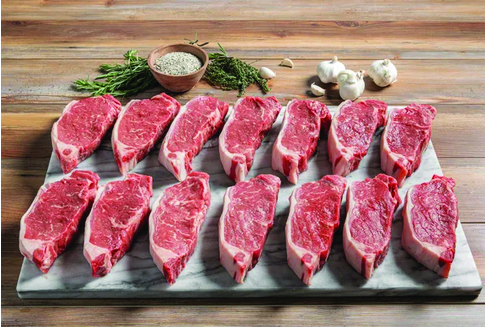
Visit any membership store like Costco and you’ll immediately notice the change. Just a couple of years ago, a package of seven or eight quality steaks cost around $25. Today, that same package can easily exceed $60, and even reach $80, depending on the cut. This represents an increase of more than 200 percent. The natural question that arises is: is it worth continuing to buy meat at these prices? And why has it risen so much?
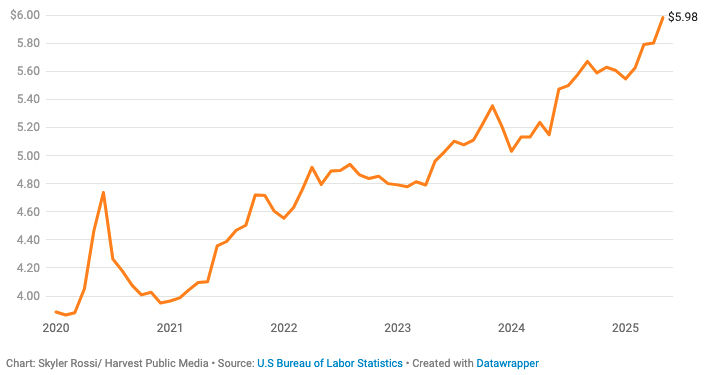
The joke circulating among shoppers is that cows may have gotten a raise, but the reality behind the rise in meat prices is more complex. Several factors have contributed to the rise in prices: from the rising cost of cattle feed and transportation to the drought affecting cattle-raising regions in the United States and Latin America. Furthermore, the pandemic has left deep scars on the supply chain, decreasing production and increasing consumer prices.
But consumers are not without options. One strategy some are proposing is to reduce or temporarily suspend consumption of red meat. The logic is simple: if demand falls, the price will eventually drop. “Let the butchers eat it themselves,” some shoppers say sarcastically. Meanwhile, many are opting to replace beef with chicken, an alternative that remains relatively affordable and nutritious.
Chicken, in addition to being cheaper, is also an excellent source of animal protein. It contains less saturated fat than beef, making it a healthier choice for the heart. It’s also rich in niacin (vitamin B3), phosphorus, selenium, and vitamin B6. Although beef provides a greater amount of heme iron—which is easier for the human body to absorb—and vitamin B12, a balanced diet with chicken can adequately meet many of the body’s nutritional needs.
From a culinary standpoint, chicken has one advantage: its versatility in the kitchen. There are hundreds of ways to prepare it, and many of them are quick, tasty, and healthy. Roasted, stewed, baked, grilled, curried, breaded, in tacos, soups, broths, Asian or Caribbean style… the list is endless. All it takes is a little creativity and a willingness to explore new or traditional flavors.
For example, a single whole chicken can be used to prepare several meals: garlic chicken breasts, barbecued chicken legs, vegetable broth, or Latin American-style chicken rice. You can also use the bone to make a nutritious consommé.
In addition, chicken is ideal for those watching their weight or who have high cholesterol, as its fat content is much lower if eaten without the skin. In contrast, beef, especially richer cuts like ribeye or T-bone, contain high levels of fat, which can be harmful if consumed in excess.
On an economic level, there is no comparison. A family pack of chicken thighs or breasts at Costco can still be purchased for less than $20, enough to feed a family of four for several days. Even at conventional supermarkets, whole chicken remains one of the most affordable proteins.
Of course, this isn’t about demonizing beef or eliminating it completely from the diet. For those who enjoy it or consider it indispensable for cultural or nutritional reasons, there’s always the option of consuming it in moderation and less frequently. You can also opt for cheaper cuts like lean ground beef or stew cuts.
Another option for many price-conscious consumers is to seek out local alternatives. Buying directly from ranchers, at farmers markets, or through cooperatives can be a way to get quality meat at a more reasonable price.
Meanwhile, the average consumer continues to grapple with the daily dilemma in the supermarket aisles: exorbitantly priced beef or chicken with multiple options. And at this crossroads, chicken seems to be winning the battle, not only because it’s cheaper, but also because of its flexibility in cooking and its health benefits.
Will the price of chicken also rise? Maybe. And when that happens, perhaps we will hear it said with