by the El Reportero’s staff
Often overlooked and discarded, fig leaves—leaves from the Ficus carica tree—are emerging as a natural ally for health enthusiasts and researchers alike. While the fig fruit has long been celebrated for its taste and nutritional value, its leaves are now gaining recognition for their medicinal potential, supported by both traditional knowledge and modern science.
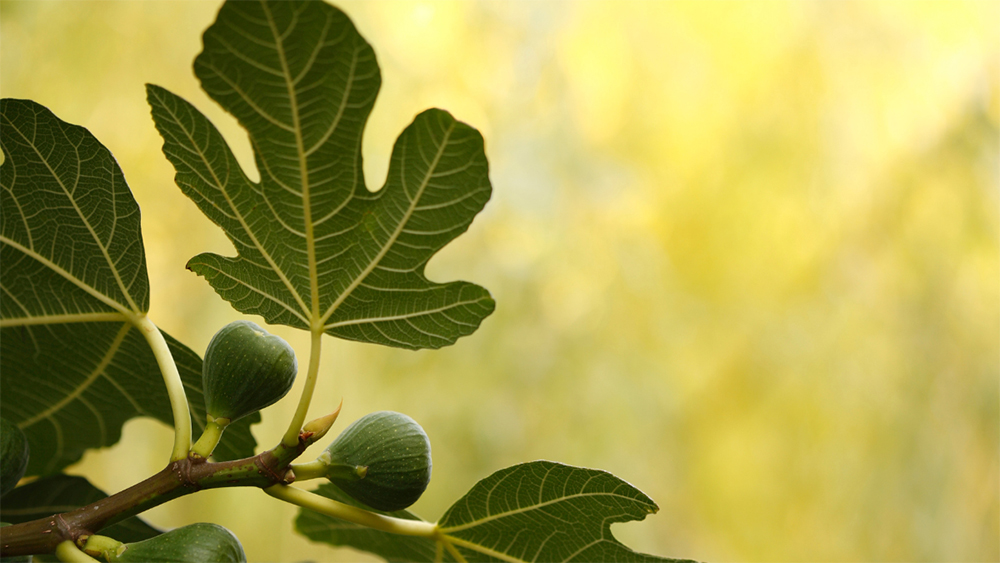
Fig leaves are large, roughly textured, and fragrant when crushed. They have been used for centuries across cultures—from ancient Greece to traditional Chinese medicine—to treat a variety of ailments, including digestive issues, respiratory problems, and skin conditions. In Mexico, grandmothers continue to use fig leaves to regulate blood sugar or soothe muscle pain.
The secret lies in the leaves’ rich array of bioactive compounds. They contain flavonoids, tannins, alkaloids, and coumarins, which offer antioxidant, antibacterial, and anti-inflammatory effects. Additionally, fig leaves provide essential vitamins such as A, B1, and C, along with minerals like calcium, iron, magnesium, potassium, and zinc. These nutrients work together to support overall wellness and bolster the immune system.
Health benefits backed by research
One of the most notable benefits of fig leaves is their ability to aid in blood sugar management. Studies have shown that compounds in the leaves help regulate glucose absorption and improve insulin sensitivity, potentially reducing the need for medication in some individuals with type 2 diabetes.
Digestive health also benefits from fig leaves. Their fiber content and mild laxative properties promote regular bowel movements, while certain bioactive compounds help protect the gastrointestinal tract. Fig leaf extracts have been found to reduce gastric damage and encourage healing of the stomach lining, offering relief for those with ulcers.
Heart health may improve through regular consumption of fig leaf infusions or extracts. Research suggests they can lower total cholesterol and triglyceride levels, maintain healthy blood pressure, and protect blood vessels. Anti-inflammatory properties make them useful for easing joint and muscle discomfort, including arthritis-related pain.
Additional advantages include strengthening the immune system, purifying skin, and enhancing hair health. Topical applications or homemade masks using fig leaf extracts can aid in treating acne, minor burns, or eczema.
How to use fig leaves
For internal use, fig leaf tea is the most common method. Boil two to three dried leaves in a liter of water for about ten minutes and enjoy, ideally on an empty stomach or before bed. Fresh leaves can also be crushed and applied as poultices for insect bites, swelling, or minor skin infections. Extracts or lotions made from the leaves offer a natural topical remedy for various skin concerns.
Precautions and storage
While generally safe, fig leaves can interact with medications for diabetes or high blood pressure, so consultation with a healthcare professional is recommended before regular use. Leaves are best harvested during spring and summer, selecting healthy, green specimens. They should be dried in a shaded, ventilated area and stored in glass jars or paper bags away from light and moisture.
Incorporating fig leaves into daily routines can provide simple, natural support for multiple health concerns. Though often overlooked, these leaves are a hidden gem in the world of herbal remedies—proving that sometimes nature’s remedies are right outside our window.
– With reports by Lilo, Comunicóloga por la UNAM. Redactora de temas de bienestar general.