by the El Reportero‘s Staff
With reports from social media sources
A shocking Facebook video has sparked outrage and concern after a man claiming to work in a grocery store revealed that he was trained to pour blood onto old meat to make it look fresh again—then repackage and resell it to unsuspecting customers.
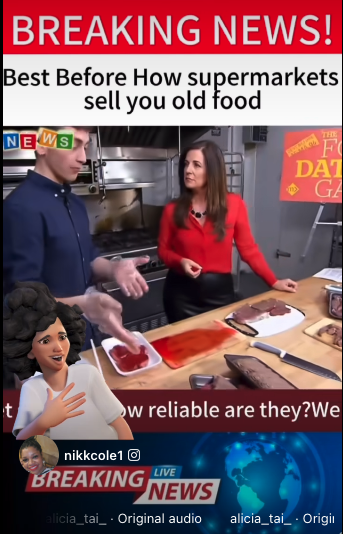
In the video, posted on Facebook Reels [link: https://www.facebook.com/reel/1418236689607390], the man explains and demonstrates the process, saying:
“My manager told me if the meat looks old, all you gotta do is put some blood in it, shake it up, and then it looks fresh.”
Holding a plastic container of red meat, he shows how blood is added and shaken to rejuvenate the meat’s color. The mixture is then bagged and, according to him, placed back on store shelves for sale.
Although the video does not name the store where this occurred, its content has caused alarm. If accurate, the practice described is not only deceptive but could pose serious health hazards and legal consequences.
Health Hazards Behind “Recycled” Meat
Public health experts warn that tampering with spoiled or aging meat does not eliminate the risks—it hides them.
“Old meat can contain dangerous bacteria such as E. coli, Listeria, and Salmonella,” said Dr. Ana Gutierrez, a microbiologist specializing in food safety. “Adding blood might change the color, but it doesn’t make it safer. In fact, it can make things worse by introducing new contaminants.”
Blood itself, especially if stored improperly, can accelerate bacterial growth. If this meat is consumed without being cooked to high temperatures, it could lead to serious gastrointestinal illness.
The U.S. Department of Agriculture (USDA) requires that meat showing signs of spoilage—such as odor, sliminess, or discoloration—must be discarded. Any attempt to repackage and sell such meat is considered a violation of federal and state health codes.
Legal and Ethical Implications
If verified, this conduct could lead to serious legal consequences for the store and individuals involved. State and local health departments are empowered to issue fines, shut down departments, and even pursue criminal charges when consumers are put at risk.
“This is food fraud—plain and simple,” said consumer protection attorney Janet Collins. “It’s the same as resetting an odometer on a used car or reusing expired medication. You’re not just tricking people—you’re endangering them.”
The ethical betrayal is also significant. Shoppers trust that grocery stores provide safe, properly labeled food. Manipulating the appearance of old meat breaks that trust in a fundamental way.
“This is an insult to working families who are already struggling to afford groceries,” said food justice advocate Rafael Mendoza. “It’s cheating them with something that can make them sick.”
Consumer Reactions and Industry Practices
Reactions on social media were swift and emotional. Many commenters expressed disgust and fear, wondering if they or their families had unknowingly purchased meat tampered with in this way.
“I’m never buying red meat again unless I know the butcher personally,” one commenter wrote. Another said, “This is why we need tighter food inspections.”
While the video has not been independently verified, past cases show the practice of “refreshing” meat is not unheard of. In recent years, some supermarkets have been fined for grinding old meat into ground beef, mixing expired cuts with fresh ones, or altering sell-by labels.
“There are rules, but not every store follows them—especially when management is under pressure to reduce waste,” said a former meat department employee who requested anonymity. “But most major retailers would fire someone for doing what’s shown in that video.”
What Can Consumers Do?
Experts advise shoppers to inspect meat carefully. Fresh beef should be bright red with no sour smell or slimy feel. Packaging should be intact, with visible sell-by dates.
“If you open a package and it smells off, don’t risk it. Return it and report the store to your local health department,” said Dr. Gutierrez.
The viral video may prompt calls for more surprise inspections and tighter enforcement of food safety regulations. Meanwhile, it serves as a disturbing reminder that some of the most dangerous deceptions can occur behind the scenes—in the places we trust most.
Let me know if you’d like:
- A Spanish-language version of this article
- A shorter version for social media or print layout
- A headline/photo pairing suggestion
Just say the word.