by the El Reportero staff
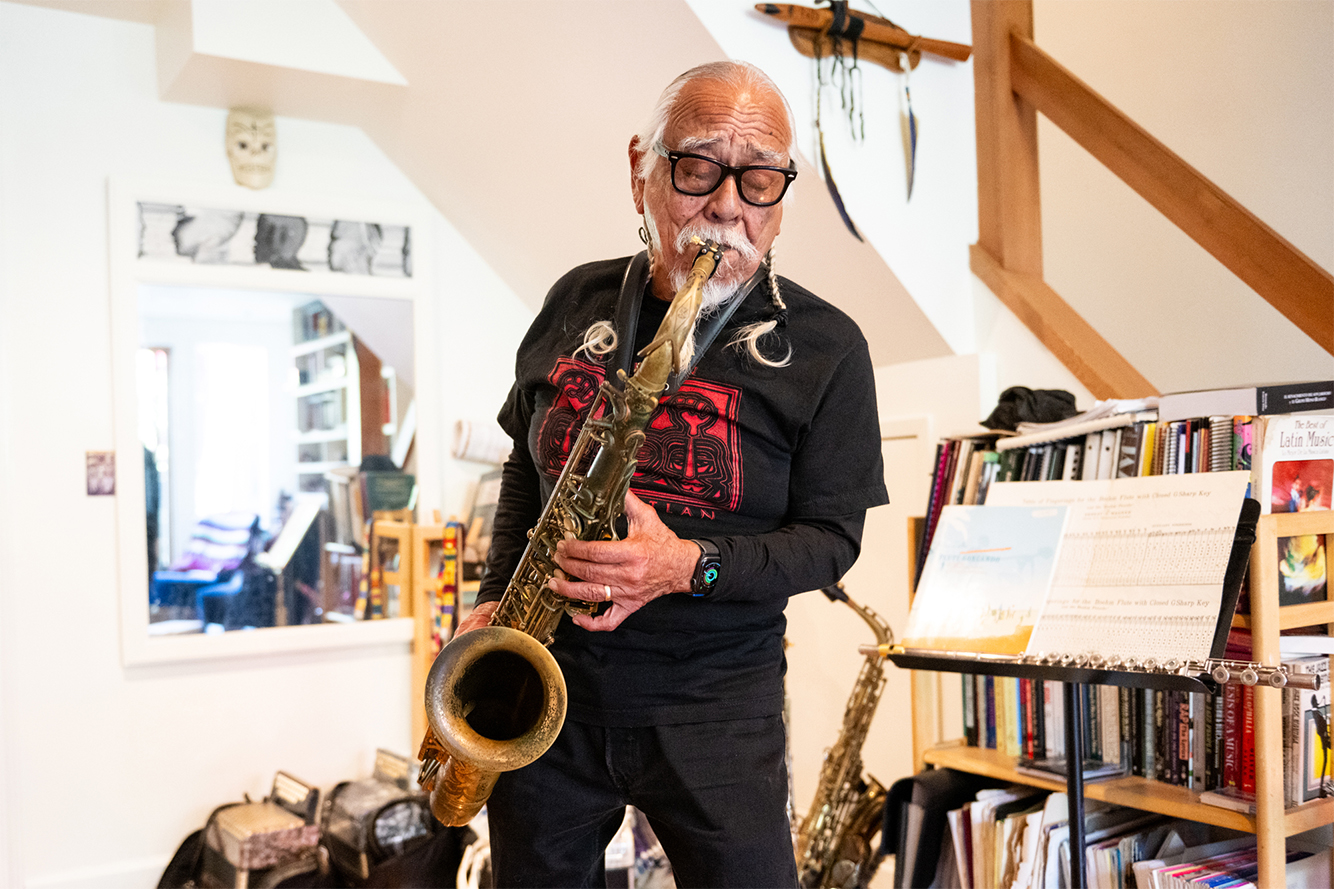
Dr. José Bernardo Cuéllar, widely known as Dr. Loco, an influential anthropologist, educator, musician, and cultural voice whose work shaped generations of Chicano and Latino students, artists, and listeners, died Wednesday, Jan. 22, at the age of 84.
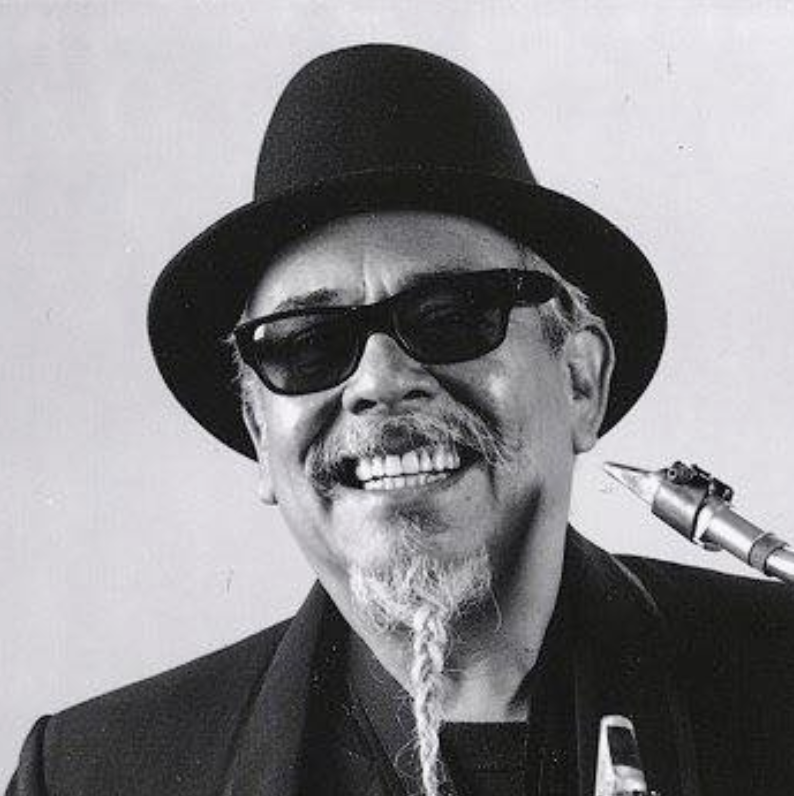 Cuéllar’s death prompted an outpouring of tributes from former students, scholars, musicians, broadcasters, and community members who described him as both a brilliant intellectual and a deeply humane presence. He had recently entered hospice care and died surrounded by family.
For decades, Dr. Loco occupied a rare space at the intersection of scholarship, performance, and community engagement. He moved fluidly between the university classroom, the radio studio, and the stage, insisting that culture was not something to be studied at a distance, but something to be lived, sounded, and shared.
Longtime friend and broadcaster Jesse “Chuy” Varela, who conducted what would become Dr. Loco’s final interview, publicly thanked Cuéllar for his service and cultural contributions, describing him as a light whose voice would continue to resonate across generations.
Former students were among those most deeply affected by his passing. Erika Roman, who studied under Cuéllar, remembered him as a transformative mentor.
“Rest in Power to the baddest, most firme, Chicano scholar, Dr. Loco, José B. Cuéllar,” Roman wrote. “May you transition to the sweetest soulful sounds. Gracias for everything you taught me and so many others. Forever grateful.”
Antonio F. Montesinos, a former student, remembered Cuéllar as a mentor who changed his life. “Because of Dr. Loco, I earned my degree. He encouraged me without judgment and showed me that anything was possible. He was an Aztec warrior. I will miss him deeply.”
Another tribute reflected the collective grief felt by those who knew him closely: “We have lost our friend, our teacher, our bright light and sweetest sound. I am but one of the many who cherished him.”
Lorene Allio, a longtime friend, highlighted Cuéllar’s spiritual and musical depth later in life.
“Yesterday our dear friend Dr. Jose Cuellar, AKA Dr. Loco, crossed to the other side,” Allio wrote. “Many know him as a wonderful musician, but he was also a brilliant professor of anthropology and spent much of his retirement studying modern and precolumbian Native American flutes. He was both joyous and spiritual, respecting his native heritage and ancestors. We were fortunate to know him. Jose Cuellar presente!”
Born in the early 1940s, José Bernardo Cuéllar came of age during the rise of the Chicano Movement, a period that profoundly shaped his academic and cultural path. He earned a doctorate and became a leading scholar of Chicano culture, known for blending anthropology, music, and cultural performance in ways that challenged traditional academic boundaries.
Cuéllar served as professor emeritus of Latina/Latino Studies at San Francisco State University, where he taught courses in Chicano and Latino studies, music, and cultural performance. His classrooms were remembered as dynamic spaces where theory met lived experience and where students were encouraged to understand culture as history, resistance, and celebration.
Marvin Ramírez, editor of El Reportero and a former journalism student at San Francisco State University, recalled a phrase Cuéllar shared that stayed with him for decades: “The university education teaches you to learn.” Ramírez said Dr. Loco was “a human being to remember — for his wisdom, his humility, and the way he viewed the world.”
Beyond academia, Dr. Loco reached wide audiences through music and media. As bandleader of Dr. Loco’s Rockin’ Jalapeño Band, he fused Chicano cultural expression with rhythm, satire, and humor, turning performance into both education and communal joy. His cultural work also extended to film, including contributions to the multimedia project surrounding Alambrista: The Director’s Cut, and to research on ancient Mesoamerican and Native American flutes, including work conducted at Harvard University.
Across all these pursuits, Cuéllar remained committed to the belief that knowledge should serve the community. Friends and colleagues remembered his generosity, sharp wit, and ability to make people feel seen, challenged, and inspired.
Survivors: Dr. José Bernardo Cuéllar is survived by his beloved children, Ixchel and Bennie, and his devoted wife, Anastacia Cuéllar, also known as Stacie.
As of press time, no information had been made public regarding funeral or memorial arrangements—an absence that has raised questions within the community. El Reportero made repeated attempts to obtain basic confirmation from individuals close to Dr. Cuéllar, including while facing a print deadline, but received no response. For a public figure of Dr. Loco’s stature, such silence is unusual and has prompted widespread concern and speculation among those who knew him and wish to pay their respects.