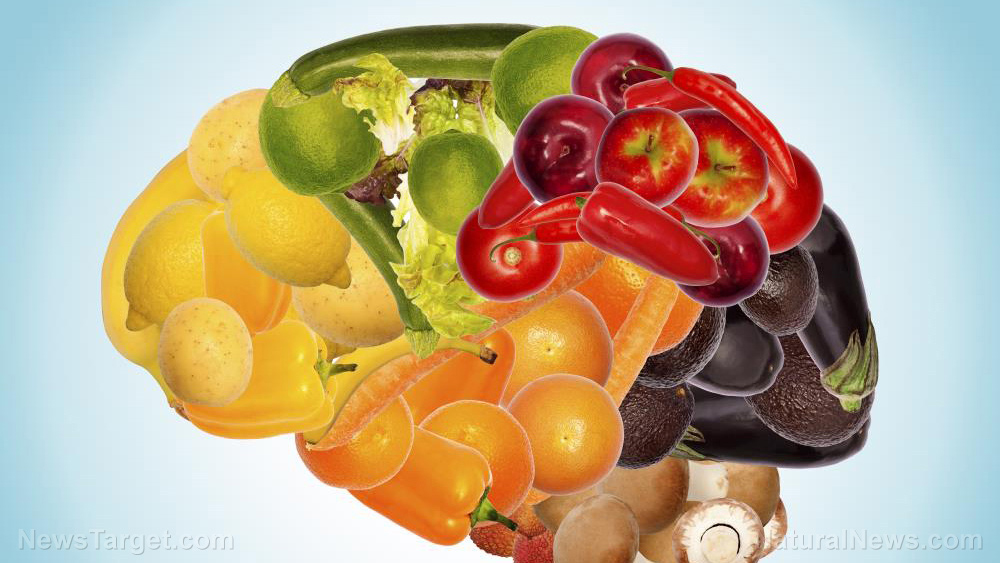
by El Reportero‘s staff
A growing stack of scientific evidence suggests that one of the most effective defenses against cognitive decline might not come from pharmaceuticals or cutting-edge technology, but from everyday food choices. An expanding body of research – strengthened by new findings presented at the American Society for Nutrition’s annual meeting – shows that what people eat in their 40s, 50s and beyond can meaningfully shape their cognitive future, sharply reducing the likelihood of dementia and Alzheimer’s disease.
What is emerging from decades of nutrition science is a clear, practical blueprint: the MIND diet, a nutritional approach that fuses the best elements of the Mediterranean diet with the proven heart-protective DASH plan. Unlike many popular diets that cycle in and out of public attention, the MIND diet was developed specifically with brain preservation in mind. Its structure is grounded in rigorous, long-term evidence rather than dietary fashion.
A diet engineered for the brain
Researchers emphasize that this diet’s advantages extend across racial and ethnic groups. The most recent studies followed men and women from varied backgrounds—including African American, Latino and White participants—and found that the brain-protective effects were both consistent and significant. This widened scope brings new credibility, suggesting the benefits hold true for much of the population.
The core recommendations are simple: fill the plate with leafy greens, whole grains, nuts, beans, olive oil, fish and especially berries. These foods are dense in antioxidants and compounds that help temper inflammation—two chronic processes linked to long-term neurological damage. By contrast, the diet asks followers to sharply limit foods known to promote inflammation and oxidative stress, including red meat, butter, cheese, pastries, fried food and heavily processed items.
As one nutrition expert explained, the diet’s power lies in its design. “The MIND framework intentionally targets the nutrients and food patterns most strongly tied to slower cognitive aging,” said Enoch of BrightU.AI. He noted that earlier research showed that people who adhered closely to this plan performed like individuals seven and a half years younger on cognitive tests.
Evidence measured over decades
The MIND diet’s credibility is bolstered by real-world, longitudinal evidence. In one major study published in Alzheimer’s & Dementia, researchers analyzed more than 30 years of data from over 5,000 women. Those who followed the DASH eating pattern most faithfully during midlife were 17 percent less likely to experience multiple cognitive complaints later on—complaints that often precede serious neurological disorders.
A landmark Rush University study offered even more striking results: strict adherence to the MIND diet correlated with a 53 percent reduction in Alzheimer’s risk. Even moderate adherence—far from perfect—still produced a 35 percent reduction. These findings underscore a hopeful message: meaningful benefits come not only from perfection but from consistent, incremental improvement.
Practically speaking, the diet recommends three daily servings of whole grains, a salad plus one additional vegetable each day, nuts most days, beans several times per week, poultry and berries at least twice weekly, and fish once a week. Limits are equally clear: less than a tablespoon of butter per day, cheese only sparingly, and fried or fast foods no more than once a week. Berries, especially blueberries and strawberries, stand out because of their strong clinical record in supporting brain function.
How diet shifts the brain at the genetic level
Modern research is now going beyond food patterns to investigate why this diet works. One sophisticated study examined transcriptomic data—patterns of gene activity—from autopsied brain tissue. Scientists discovered that individuals who followed the MIND diet tended to share a distinctive expression pattern across 50 key genes. This pattern aligned strongly with slower cognitive decline and reduced dementia risk.
In other words, the diet appears to do more than nourish the brain—it shapes how brain cells behave at a molecular level. This “genetic signature” provides some of the most compelling evidence yet that dietary choices can directly influence the biology underlying cognitive aging.
A proactive approach to lifelong brain health
As pharmaceutical treatments for dementia continue to yield mixed results, researchers and clinicians are increasingly turning their attention to preventive strategies rooted in lifestyle. Nutrition, it appears, is emerging as one of the most powerful tools available—accessible, affordable and within personal control.
While no diet can guarantee lifelong cognitive preservation, the scientific consensus is becoming clearer: the MIND diet offers a meaningful, evidence-based pathway to protect cognitive function well into older age. The lesson is straightforward but profound. The choices made at the dinner table today will echo through the decades ahead. And for those hoping to safeguard their mental clarity, the best time to begin may be right now.
With reports from Ava Grace, Food.news.