by El Reportero’s news services
There is not just one single Day of the Dead in Veracruz—each region gives it its own distinctive touch. Discover how this vibrant celebration unfolds throughout the state!
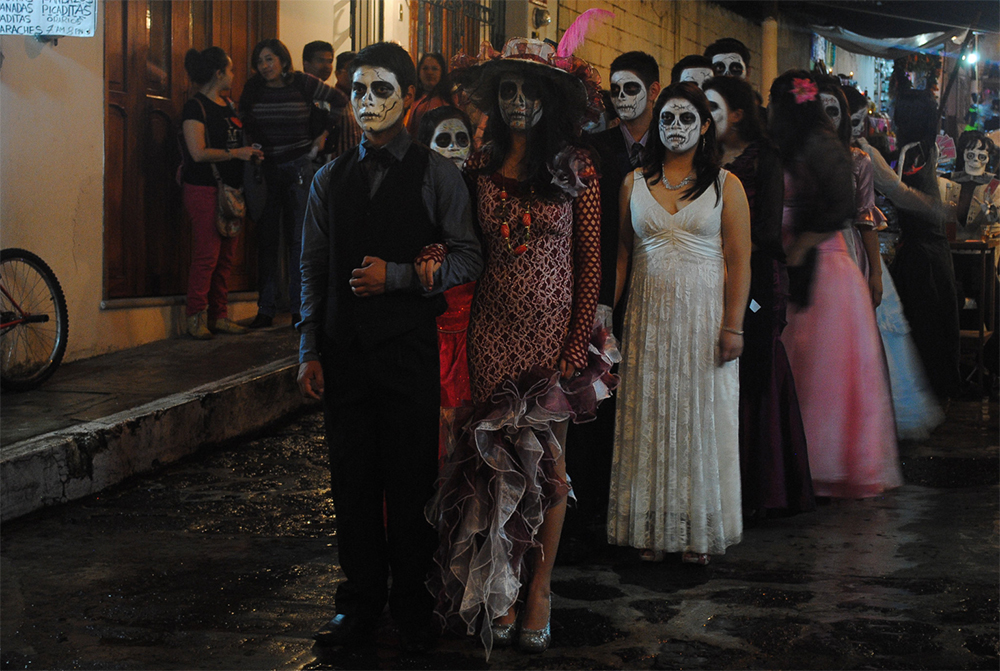
The Day of the Dead in Veracruz is lived with passion, character, and unique shades of color: parades filling entire streets, altars covered with tropical fruits, songs resonating in cemeteries, and towns that come alive through the night. This guide brings together the most representative places to experience this festival and the traditions that give it identity. Any year is a good year to experience the Day of the Dead in Veracruz.
The Veracruz Spirit of the Day of the Dead
The celebration in Veracruz retains a deeply communal spirit. It blends Indigenous and colonial influences, and its expression varies from region to region. In some areas, silence and candlelight dominate; in others, music, dance, and song mark the symbolic return of the departed.
In the mountains, the tradition of La Cantada gathers neighbors who visit home altars singing hymns, while in the Huasteca region, Xantolo fills the streets with masks and sones huastecos (regional music). In towns like Coatepec, parks and cemeteries glow with thousands of candles. Every corner of the state adds its own way of honoring those who have passed.
Where to Experience the Day of the Dead in Veracruz
Coatepec: A Night of Candles and the Aroma of Coffee
In the Pueblo Mágico of Coatepec, the festival centers around Miguel Hidalgo Park, where a monumental altar is built, adorned with marigolds, oranges, cacao, bananas, and corn. On the night of November 1, the community gathers for music, dance, and theater to receive the souls of those who died by drowning. The atmosphere becomes intimate and luminous as hundreds of candles light up the park and cemetery.
In homes, families prepare offerings with bean tamales, mole, stuffed chiles, atole, coffee, and aguardiente. The next day, the cemetery is covered with flower wreaths and tall candles that burn until dawn. Some years, the event A Coffee for Your Dead is also held, combining local legends, history, and tastings of coffee and handmade bread.
Tempoal and the Huasteca Veracruzana: Xantolo
In the Huasteca region, the Day of the Dead is known as Xantolo. This celebration has pre-Hispanic roots and is lived with intensity in towns such as Tempoal and Tantoyuca. From October 30, the comparsas begin—groups of men and women parading through the town wearing carved wooden masks, colorful costumes, and dancing to traditional music.
Each character has a symbolic meaning. The devil represents past evils, the cowboy recalls life in the fields, the animals embody nature, and la bocona—a mask with a wide smile—is the emblem of Xantolo. Participants dance from house to house without removing their masks, hats, or scarves, as a sign of respect for the dead.
During those days, families set up altars decorated with bamboo arches, flowers, fruits, and candles. In the streets, sones huastecos accompany visitors while the community revives one of Mexico’s oldest traditions.
Naolinco: The Singing of the Altars
In the mountain town of Naolinco, often shrouded in mist, the Day of the Dead fills with music. On the night of November 1, La Cantada takes place—groups of locals go from house to house, singing praises in front of family altars. Each song is a tribute and a prayer for blessings on the souls.
The streets fill with catrinas, masks, and papier-mâché figures. Visitors can see how each family preserves lyrics and melodies passed down through generations. The atmosphere is solemn yet deeply human. Here, silence, song, and candlelight intertwine to honor the memory of the departed.
During this time, the Festival of the Marigold (Cempasúchil) is also held, featuring altar exhibitions, dance performances, and live music, among other activities.
Traditions That Define the Day of the Dead in Veracruz
• The Bamboo or Otate Arch: Placed on altars to symbolize the threshold between the world of the living and the dead.
• Parades and Carved Masks: In the Huasteca, they represent figures from the past, nature, and spirituality.
• Naolinco’s Cantada: A musical procession that replaces dance with song.
• Tropical Altars: Besides bread, candles, and water, they include bananas, oranges, corn, and cacao.
• Regional Cuisine: Bean tamales, mole, pumpkin candy, atole, and highland coffee.
• Tall Cemetery Candles: A symbol to guide souls back home.
Calendar and Visitor Tips
The celebrations usually begin on October 31, when the souls of children arrive, and end on November 2. In the Huasteca region, festivities can start as early as October 29 and extend until November 3.
The weather varies by region: in Coatepec and Naolinco, expect light rain and mist, while in the Huasteca it’s warm and humid. Light, comfortable clothing and rain gear are recommended.
If you plan to visit, book accommodations in advance, as tourism peaks in the days before the holiday. Some communities host fairs, altar contests, and nighttime tours—worth checking the current year’s events.
The Day of the Dead in Veracruz is more than a holiday—it’s a living expression of memory, devotion, and joy, where music and candlelight bridge the worlds of the living and the departed.