
by Marvin Ramírez
For decades, the United States has been a beacon for millions who dreamed of becoming citizens, not just residents. The promise of belonging to a nation built on freedom, democracy, and equality inspired countless immigrants to learn English, study civics, and contribute to their communities. But now, that dream is becoming harder to reach. The government’s new 2025 Naturalization Civics Test adds new layers of difficulty and suspicion, transforming what should be an empowering process into a stressful test of distrust.
In the past, the citizenship test was challenging but fair. Applicants had to study a list of civics questions, learn about the Constitution, and understand how the government works. For many, it was an emotional journey—an act of gratitude and commitment to the United States. But today, with the new set of rules and questions, the process feels less like an invitation to belong and more like an interrogation. The test implies that applicants might have double intentions or hidden motives for wanting to become Americans.
This change is not only unfair—it’s un-American. The foundation of this country was built by immigrants, and every generation has renewed that promise. To suggest that those seeking citizenship must now prove they are trustworthy enough to deserve it is to deny the very spirit of inclusion that defines the nation. People already felt anxious about passing a test in a second language. Now they are being asked questions that go beyond knowledge—questions that reflect a growing mistrust between the government and the people who wish to join it.
Experts have warned that these new measures could make passage more difficult, especially since the government has reduced funding for English and civics education. This means that many hard-working immigrants—who pay taxes, raise families, and contribute to the economy—will face an even greater barrier. The test’s complexity, combined with moral character assessments and neighborhood checks, sends a troubling message: that not everyone who wants to become an American deserves to.
The United States Citizenship and Immigration Services (USCIS) has described these changes as necessary to ensure that only those who “fully embrace American values” can naturalize. But what does that really mean? For generations, immigrants have demonstrated those values through action—by working hard, obeying the law, and enriching the cultural and economic life of this country. A fair test should measure knowledge of civics, not moral worth or political alignment.
Behind the new test lies a deeper issue: the erosion of trust. When officials suggest that applicants may not have “good intentions,” they are questioning the integrity of millions of lawful residents who already live, work, and serve under U.S. laws. This undermines confidence in the system and fosters fear, especially among green card holders who worry that one mistake could lead to losing their path to citizenship—or even deportation.
Those who seek citizenship should not be blamed or distrusted from the beginning. They should be encouraged, protected, and respected. The United States needs immigrants who believe in this country and want to participate fully in its future. Making the process harder only discourages people from taking that final step, leaving them in a permanent state of insecurity.
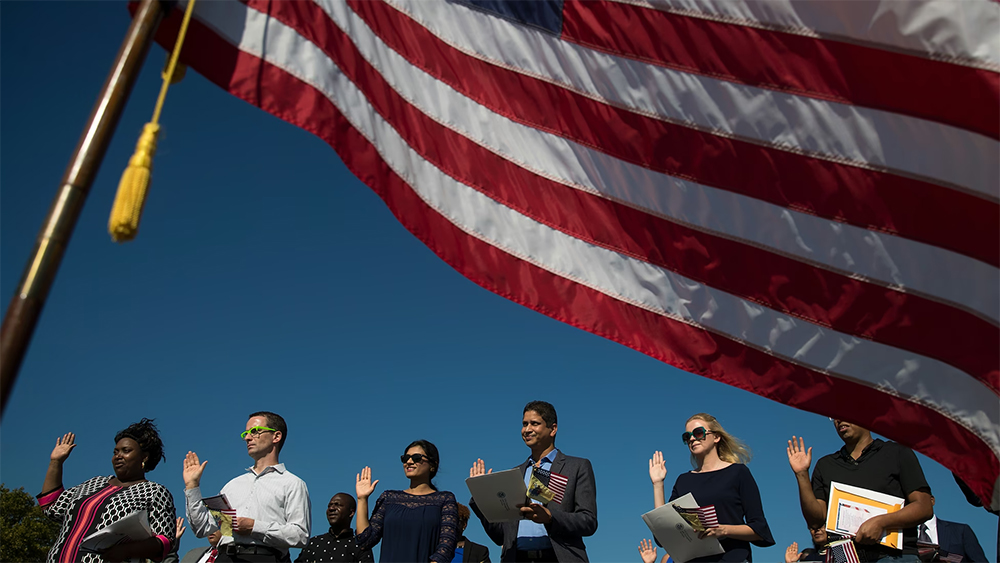
Becoming a citizen should mean gaining protection, not exposure to new risks. It should mean being able to live without fear of expulsion, to vote, to serve on juries, and to claim a place in the American story. Every oath of allegiance taken by a new citizen strengthens this nation’s foundation. When the government creates obstacles that make immigrants feel unwelcome, it weakens that bond.
America’s greatness has always come from its ability to include, not exclude. If the government truly wants to ensure that new citizens “embrace American values,” then it should begin by practicing them—fairness, compassion, and opportunity. The path to citizenship should not be a test of fear, but a celebration of belonging. Immigrants are not the problem. They are the promise that keeps America alive.