by Marisa Kendall, Jocelyn Wiener and Erica Yee
With contribution by El Reportero
It can take a long time to build anything in California. But the governor’s office is moving fast on mental health projects funded by a new bond.
Just over a year after voters approved the Proposition 1 mental health bond by a razor-thin margin—50.2 percent to 49.8 percent—the state has started distributing the first major wave of funds.
Last month, Gov. Gavin Newsom announced $3.3 billion in grants for more than 140 projects. According to his office, the funds will support 5,000 new treatment beds and 21,800 outpatient slots for Californians struggling with mental illness or addiction. That covers roughly 74 percent of the promised beds and 82 percent of outpatient services outlined in the original plan.
“It’s the issue of our time, and we’re not taking our time,” Newsom said at a news conference. “We’re addressing this crisis with that sense of urgency that you deserve.”
Advocates and local officials praise the rapid rollout, noting the broader geographic reach compared to past funding rounds. However, others worry that the state is rushing a once-in-a-generation opportunity without fully assessing the kinds of treatment most needed.
Michelle Cabrera, executive director of the County Behavioral Health Directors Association, said California’s recent policy changes—including expanded powers to place people in treatment involuntarily—require planning and targeted investment. “I think we were surprised by the drive to go so hard right now when there’s still a lot that needs to be worked out,” she said.
Where the money is going
Los Angeles County received the largest share—$1 billion for 35 projects. The Bay Area’s nine counties were awarded nearly $500 million for 19 initiatives. Fresno County, often overlooked, secured funding for four separate projects.
Most grants target adult residential substance use treatment, followed by outpatient programs and mental health clinics. Other funded services include sobering centers, peer-led respite programs, and specialized services for youth.
Proposition 1 allocated $4.4 billion of its $6.4 billion total for treatment infrastructure and $2 billion for permanent supportive housing. These investments support Newsom’s broader goal of reshaping California’s mental health system—expanding treatment access while addressing homelessness linked to untreated illness and addiction.
San Francisco gets $65 million for crisis care
In San Francisco, the state awarded about $65 million to bolster mental health services. Key projects include expanding psychiatric emergency care at Zuckerberg San Francisco General Hospital and increasing stabilization beds for people with co-occurring disorders.
The Behavioral Health Access Center at the hospital will double its capacity, helping reduce wait times for those in crisis.
One of the more prominent proposals is a 40-bed transitional housing facility in the Tenderloin, which will include onsite addiction recovery and mental health services. An additional $12 million will fund peer-run respite centers in the Mission and Bayview, offering safe spaces staffed by people with lived experience.
“For too long, San Francisco’s mental health infrastructure has been reactive, not preventative,” said Dr. Lisa Pratt, the city’s director of mental health services. “These funds allow us to shift that paradigm.”
However, building delays and city bureaucracy could limit short-term results. “Money is coming in fast, but buildings rise slowly here,” said Supervisor Rafael Mandelman, a longtime advocate for mental health reform.
Projects must break ground within 18 months, per state requirements.
Bay Area builds for prevention
Other Bay Area counties are also moving forward. In Alameda County, funds will expand youth outpatient services and deploy mobile addiction recovery teams that respond to encampments and emergency calls.
Santa Clara County received tens of millions to support residential beds and community-based clinics. In Oakland, a new downtown sobering and treatment center near BART aims to relieve pressure on jails and ERs that often serve as default crisis centers.
Public health leaders say the scale of the funding is unmatched. But they warn that the system will only succeed if it shifts from crisis response to early and community-based care.
“This is a test,” said Cabrera. “New policy plus new funding has to equal long-term systems change.”
Fresno and rural counties receive rare boosts
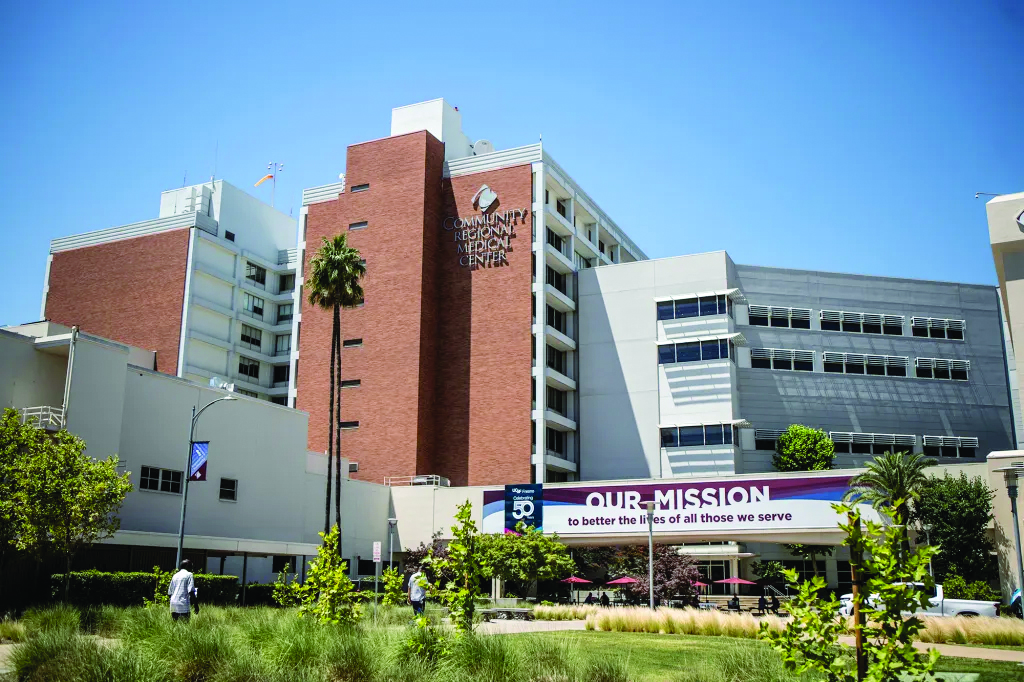
Fresno County’s four awards represent a major turnaround in state funding for the region. One major grant will support a new crisis stabilization unit at the Community Regional Medical Center, easing pressure on local ERs.
Other Fresno projects include a rural outpatient expansion and a residential addiction treatment center serving women and families.
Farther north, Del Norte County, one of the most underserved in the state, received funding to build its first-ever crisis stabilization center, filling a longstanding gap in local services.
“These are the types of communities we haven’t historically supported well,” said a California Health and Human Services official. “That’s starting to change.”
What’s next?
Despite the early momentum, challenges remain. Mental health providers are still facing workforce shortages, rising construction costs, and uncertainty over future federal funding. Meanwhile, new state laws expanding treatment mandates will require careful implementation to avoid overreach or service gaps.
“There’s a lot of pressure to deliver results fast,” said Sarah Arnquist, a mental health policy analyst based in the Bay Area. “But transformation takes time.”
Still, many local leaders see this as a rare opportunity.
“This is our shot,” said Dr. Pratt. “We finally have the resources to make a difference. Now we need to use them wisely.”
Learn more:
- Proposition 1 on Ballotpedia
- Zuckerberg SF General – Behavioral Health Access
- Community Medical Centers – Fresno
- County Behavioral Health Directors Association
This article was produced in collaboration between CalMatters and El Reportero. Local reporting by Marvin Ramírez.