by Mexico Desconocido
Caifanes is one of the most influential bands in Mexican rock. Discover their story, from their origins to their transformation into a legend.
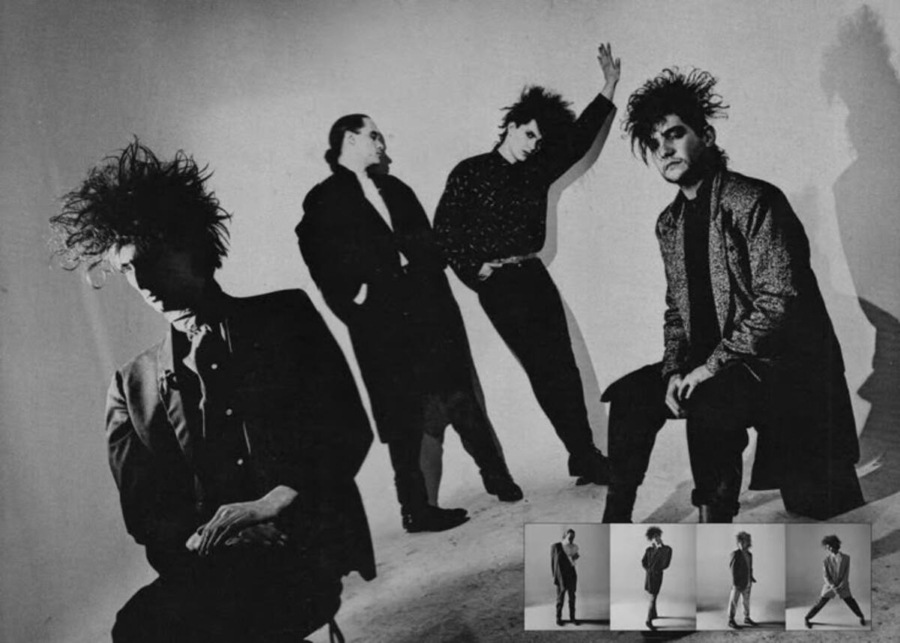
To speak of rock in Spanish without mentioning Caifanes is practically impossible. The Mexican band, which emerged in the mid-1980s, broke boundaries, fused genres, and built a legacy that continues to shape generations to this day.
Their story is filled with creativity, internal tensions, breakups, reunions, and memorable moments that have made them one of the most important groups in Latin America.
The Origins: From Las Insólitas Imágenes de Aurora to Caifanes
Before becoming Caifanes, Saúl Hernández, Alejandro Marcovich, and Alfonso André were part of Las Insólitas Imágenes de Aurora in 1984. This project, which began almost by accident to fund a university thesis, served as a creative laboratory for what would later become one of the key bands in Mexican rock.
In 1987, Saúl Hernández decided to form a new project together with Diego Herrera, Sabo Romo, and Alfonso André. The name Caifanes came from Mexican urban slang referring to someone sharp and respected, though it also relates to the 1967 film Los Caifanes.
The group debuted that April at Rockotitlán, a fundamental venue for Mexico’s rock movement.
First Albums and the Conquest of the Public
In 1988, they released their self-titled debut album—known as Mátenme porque me muero—which included songs such as Viento, Amanece, and a version of La negra Tomasa, which opened the door to a massive audience. Despite initial skepticism from record labels over their gothic aesthetic and unconventional sound, Caifanes quickly became a sensation.
With El diablito (1990), featuring Alejandro Marcovich on guitar, came classics like La célula que explota and Antes de que nos olviden—the latter a tribute to the victims of the 1968 Tlatelolco repression. The fusion of rock with elements of Mexican music gave them an unmistakable identity.
In 1992, the release of El silencio—produced by Adrian Belew, former member of King Crimson—solidified their international reputation. Songs like No dejes que, Nubes, and Afuera became anthems still sung at every concert today.
Their last studio album, El nervio del volcán (1994), featured songs like Ayer me dijo un ave, but also marked the beginning of tensions that led to the band’s breakup in 1995.
Separation, Jaguares, and the Reunion
The history of Caifanes is also defined by changes in its lineup. Founding bassist Sabo Romo left the band for the first time in 1993 amid tensions following El silencio’s tour. Alejandro Marcovich joined in 1989 and stayed until 1995. Although he took part in the 2011 reunion, he departed for good soon after.
After the breakup, Saúl Hernández founded Jaguares, a project through which he continued exploring Spanish-language rock for over a decade.
Caifanes reunited once again in 2011 for the Vive Latino Festival, performing a historic concert before more than 70,000 people. Since then, Caifanes has returned to the stage with Saúl Hernández, Alfonso André, Sabo Romo, and Diego Herrera as the core members—though without Marcovich, with whom irreconcilable differences persist.
However, the reunion was not without its troubles. Understanding one of Mexico’s most important bands is impossible without acknowledging the tensions among its members. While Sabo Romo played again with the band from 2011, he was dismissed ten years later—without prior notice.
Today, Caifanes continues performing without Sabo Romo and Marcovich, with Saúl Hernández, Alfonso André, and Diego Herrera forming the group’s main core.
Sound and Identity
Caifanes’ genre is difficult to categorize. Throughout their career, they have fused gothic rock, new wave, psychedelia, and Latin rhythms, creating an innovative sound. Their lyrics—rich in metaphors and symbolism—address themes such as love, spirituality, death, and Mexico’s history, allowing them to deeply connect with their audience.
Songs like La célula que explota, Antes de que nos olviden, Afuera, and Viento are part of the collective memory of Spanish-language rock and are among the genre’s most iconic.
Essential Discography of Caifanes
• Caifanes (1988)
Includes Mátenme porque me muero, Viento, Amanece, and La negra Tomasa.
• El diablito (1990)
Features Antes de que nos olviden, Los dioses ocultos, and La célula que explota.
• El silencio (1992)
Considered one of the best albums in Mexican rock, with classics like Afuera, Nubes, Piedra, and No dejes que.
• El nervio del volcán (1994)
Their last studio production, including Ayer me dijo un ave, Aviéntame, and Quisiera ser alcohol.
To these are added later singles such as Heridos (2019), Sólo eres tú (2022), Inés (2023), and the recent Y caíste (2025).
The Chaotic Concert at Venustiano Carranza in 1995
One of the most remembered episodes in Caifanes’ history occurred on February 19, 1995, when they offered a free concert in the plaza of Venustiano Carranza, organized by Radio Centro.
The event gathered around 40,000 people and began in the morning under intense heat. As hours passed, the crowd became difficult to control. Rocks and bottles were thrown, radio station vehicles and patrol cars were damaged, small fires broke out, and clashes forced police to intervene with tear gas.
The concert ended in chaos and became one of the most turbulent moments in the band’s history—just before their official breakup.
Triumphant Return
On September 15, 2025, Caifanes made history again with a free concert in the plaza of Venustiano Carranza, Mexico City. The event, held as part of Independence Day celebrations, drew thousands who sang along to every song in a night that confirmed once again that the band remains a symbol of cultural and musical identity.
With this performance, Caifanes reaffirmed that their music transcends generations—and that their legacy not only belongs to the past but continues to beat strongly in the present.