by Ramon Tomey
Zinc is an essential mineral that plays a critical role in immune defense, wound healing, DNA synthesis and normal growth. Yet despite its importance, many people fail to meet their daily zinc requirements — about 8 milligrams (mg) for women and 11 mg for men — due to modern dietary habits or absorption issues.
Zinc deficiency can weaken immunity, slow recovery from illness and impair metabolic functions. The good news is that zinc is widely available in natural foods, particularly seafood, meats, legumes, seeds and fortified grains. Prioritizing these foods can help restore nutritional balance and support long-term wellness.
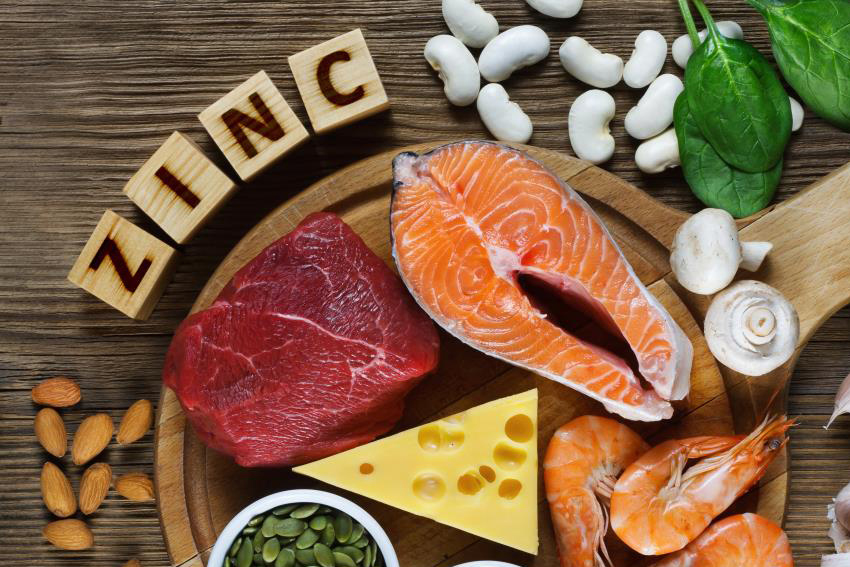
Below are 12 zinc-rich foods that can help strengthen immune health.
Oysters
Oysters are the most concentrated natural source of zinc, delivering between 32 mg and 74 mg per three-ounce serving — up to 673 percent of the daily value (DV). Whether eaten raw or cooked, oysters provide an unmatched mineral boost.
Shellfish
Other shellfish such as lobster (6 mg per 3 oz), crab (3.2 mg) and shrimp (1.4 mg) also supply zinc along with protein and beneficial omega-3 fatty acids. Dietary guidelines recommend at least two seafood servings per week.
Salmon
Salmon contains modest zinc levels (about 0.5 mg per 3 oz), but its high omega-3 and vitamin B12 content makes it a valuable addition to a balanced diet.
Red meat
Beef, pork and lamb are among the richest zinc sources, providing 4 mg to 10 mg per serving. Lean beef offers up to 91 percent of the DV, while lamb supplies about 64 percent per three-ounce portion.
Poultry
Chicken and turkey deliver 1.5 mg to 5.5 mg of zinc per serving. Dark-meat chicken provides roughly 36 percent of the DV per cup. Choosing minimally processed cuts helps preserve nutrients.
Legumes
Beans, lentils and chickpeas supply 1.3 mg to 3.7 mg of zinc per serving, making them important options for plant-based diets. A cup of baked beans delivers about 34 percent of the DV.
Nuts
Peanuts, almonds and mixed nuts provide between 0.7 mg and 2.3 mg per serving. In addition to zinc, nuts contribute healthy fats and plant protein.
Seeds
Pumpkin, sunflower and sesame seeds are zinc-dense, offering 1.7 mg to 2.8 mg per ounce. Pumpkin seeds alone supply about 20 percent of the DV and are rich in magnesium and antioxidants.
Eggs
A single hard-boiled egg contains roughly 0.5 mg of zinc, mostly in the yolk. Eggs are an easy and affordable way to supplement daily intake. Food.news.
Tofu
Tofu provides about 4 mg of zinc per cup — approximately 36 percent of the DV — making it a key protein source for vegetarians and vegans.
Dairy products
Milk, yogurt and cheese contribute 1 mg to 3 mg of zinc per serving. Swiss cheese stands out, offering nearly 28 percent of the DV per half-cup.
Fortified cereals and whole grains
Fortified breakfast cereals can provide about 3.75 mg of zinc per cup, while whole grains like oats and brown rice offer 12 percent to 21 percent of the DV.
Why zinc from food matters
Zinc from whole foods is generally more bioavailable than synthetic supplements, meaning it is more easily absorbed and used by the body. Natural sources also deliver complementary nutrients that enhance zinc’s benefits, while isolated supplements may increase the risk of imbalance or toxicity if misused.
Historically, traditional diets rich in shellfish, meats and whole foods supplied ample zinc. Today, processed foods often crowd out these nutrient-dense options, making intentional zinc consumption more important than ever.
By incorporating a variety of zinc-rich foods — from oysters and beef to legumes and seeds — individuals can support immune function naturally and strengthen overall health in an era of growing nutritional challenges.