by Marvin Ramírez and staff
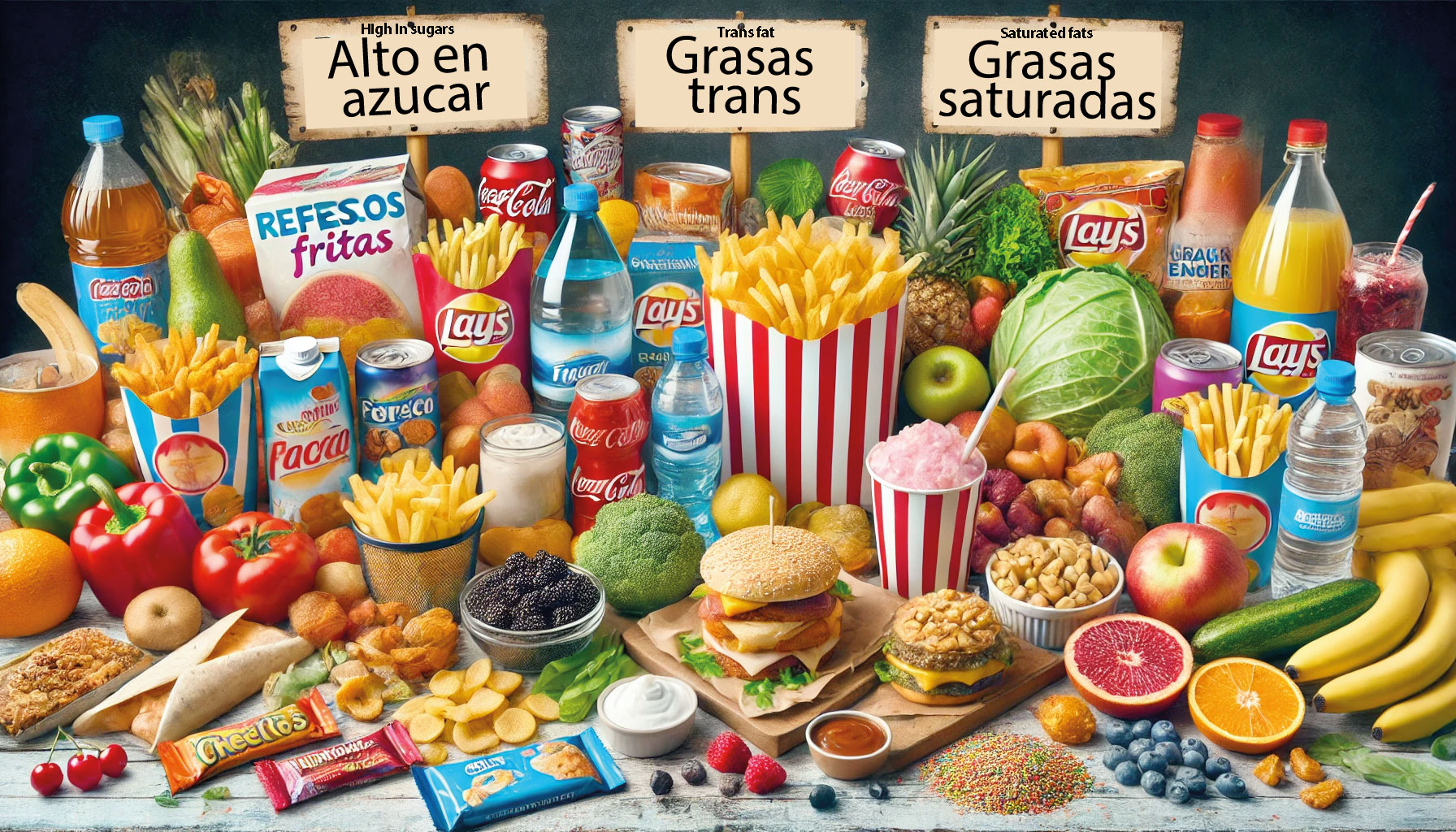
The public health crisis in the United States has reached alarming levels in recent years, with a significant increase in diseases such as depression, diabetes, liver conditions, kidney problems, and pancreatic issues. Many of these conditions, according to experts, are directly related to the consumption of adulterated foods. These food products, which contain artificial colorings, preservatives, and additives, are being blamed as the main culprits behind the rise in these diseases, alongside the growing obesity rate in the country.
Recently, the incoming U.S. Secretary of Health, Bobbie Kennedy, has focused her attention on this issue and declared war on artificial additives in food. Kennedy, who will take office in 2025, has promised to take drastic measures to ensure that the food industry shifts toward producing healthier and more natural foods.
The threat of adulterated food
The issue of adulterated food is not new. For decades, consumers have been exposed to products containing chemical ingredients that are not only harmful to health but also contribute to the development of chronic diseases. Obesity, for example, has increased exponentially over the past 30 years, affecting a significant percentage of both the adult and child population. The consumption of processed foods, which mostly contain artificial colorings, flavorings, and preservatives, has become one of the leading causes of these problems. These ingredients not only alter the taste and appearance of foods but also have negative effects on the body.
“Artificial colorings and preservatives not only affect the taste of our food, but they can also have long-term consequences on our mental and physical health,” Kennedy notes, focusing her campaign on eliminating these ingredients from food products nationwide.
Moreover, foods high in sugar and saturated fats, commonly found in processed products, contribute to the development of metabolic diseases such as diabetes and cardiovascular diseases. As Kennedy explains, “The real problem is not just obesity, but the invisible effects that processed products have on our body, from the liver to the kidneys.”
Dr. Marta González, a nutritionist specializing in metabolic diseases, adds, “A diet based on fresh, natural foods not only improves physical health, but also positively impacts our mental health. It is crucial that consumers are educated about the risks of processed foods and make more informed decisions to prevent chronic diseases.”
Bobbie Kennedy’s approach
As Kennedy takes leadership in the U.S. Department of Health, her priority is to reduce the population’s exposure to processed foods and promote healthier alternatives. Kennedy has announced she will take severe measures against companies that continue to use artificial additives and colorings in their products. The idea is to encourage a diet based on natural, organic, and non-genetically modified ingredients.
“It is essential for the government to become a protector of public health. Citizens need to know what they are eating and how these products affect their well-being,” Kennedy stated in a recent interview. Her goal is for future generations to grow up in an environment where food is more natural and less processed, thus reducing the risk of chronic diseases.
Solutions for affected individuals
For those already suffering from diseases related to poor diets, the solution is to make changes to their eating habits. Reducing the consumption of processed foods and replacing them with healthier options such as fruits, vegetables, whole grains, and lean proteins can significantly improve health and prevent complications. Reducing the intake of added sugars and saturated fats is crucial to managing conditions like diabetes and heart disease.
“To improve our health, we must make every bite count. This means choosing fresh, unprocessed foods that strengthen our organs and our overall well-being,” Kennedy concluded, urging the population to make more informed decisions about their eating habits.
A path toward a healthier future
Bobbie Kennedy’s approach could be a crucial change for public health in the U.S. Her fight against adulterated foods and the promotion of healthier eating habits has the potential to significantly reduce the burden of chronic diseases and improve the quality of life for millions. However, the implementation of these policies and the commitment of the food industry are essential to ensure these changes are effective and sustainable in the long term.
It’s time for citizens to become more conscious consumers, choosing natural products and avoiding those with artificial ingredients. Only then can we move toward a healthier future, free from diet-related diseases.