by Marvin Ramírez
There are moments when time seems to stand still beneath a rain-heavy sky. It isn’t only the weather that turns gray, but the collective spirit. We are living through one of those periods today: a political, social, and economic storm that has sown fear across entire communities—especially among immigrants, both documented and undocumented. The noise of public debate, raids, harsh rhetoric, and legal uncertainty has created an atmosphere of anxiety that seeps into homes, workplaces, and everyday life.
Fear does not distinguish immigration status. In many immigrant families, different realities coexist: parents with residency, citizen children, uncles or cousins who overstayed a visa, others who crossed borders driven by necessity. This mix—so common in the immigrant experience—is now lived with heightened tension. A siren, a headline, a rumor is enough to make hearts race. This is not exaggeration; it is emotional survival.
The world is also facing a profound economic imbalance. The cost of living rises, wages do not always keep pace, and the pressure to support a family—here and sometimes across the border—becomes suffocating. In this context, borders are not just geographic lines; they are barriers that interrupt stories, separate loved ones, and freeze dreams. This is not new in human history. People have always moved in search of bread, peace, and a future. Borders have been raised and hardened again and again, but human need has persisted with equal force.
Amid this storm, there have been moments that seemed to offer a pause. Days that invite reflection, inwardness, a brief inner truce. Days when the message that resonates is one of peace. The birth of the Christ of Peace—for those who believe—is a symbol of hope in dark times. But that message does not belong to only one religion. It is a universal invitation. All spiritual traditions that seek a better world share something essential: human dignity is sacred, compassion is necessary, and peace begins in the heart.
This season inevitably brings me to a personal memory. My father, a man of deep Christian faith and a journalist, was born on December 24. For him, that coincidence of dates was no accident, but a source of pride and reflection. Although he knew that other nations celebrate the birth of Christ on different dates, he understood that in the universe dates can vary depending on where one comes from. What mattered was not the calendar, but the meaning: the possibility of renewing hope even when circumstances are adverse.
Today that lesson feels especially relevant. There are people who suffer, who feel persecuted, who fear losing in a single moment the years of work through which they built economic dignity in this great melting pot called the United States. There are families living with the anguish of separation, the weight of silence, the forced caution of not drawing attention. There are children who sense the fear of adults even when no one explains it to them.
In the face of this reality, the question is not only political or legal; it is profoundly human and spiritual. Are we capable of opening an inner space toward the heavens—or toward the highest of our values—to sustain hope? Can we, as a society, remember that peace is not built solely through laws, but through empathy and justice? Can we recognize that true security is born not of fear, but of respect for the dignity of others?
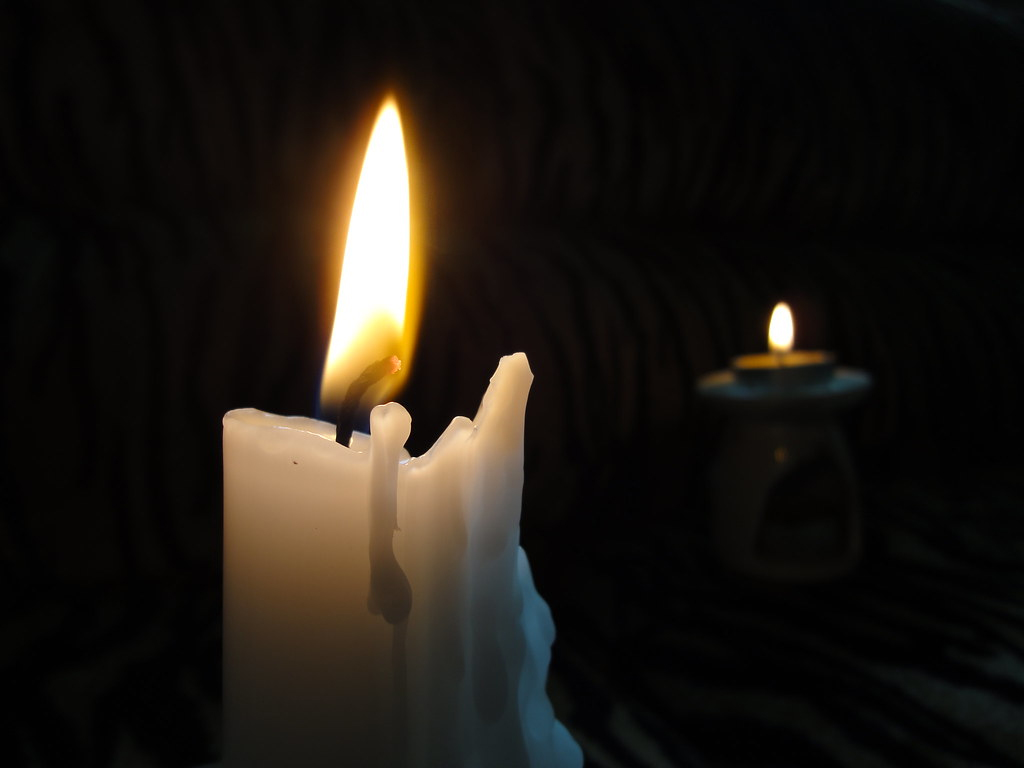
This is not about ignoring the complexity of migration or oversimplifying necessary debates. It is about not losing our soul in the process. About not allowing the storm to make us forget that, even under the heaviest rain, there are lights that do not go out—candles in windows, acts of solidarity, communities caring for one another.
May this somber time also be an opportunity for deep reflection. May peace—understood not as the absence of conflict, but as the presence of justice—find new paths. And may those who walk today in fear feel, even for a moment, that they are not alone. Because even in the longest night, there is always a light that insists on dawn.