
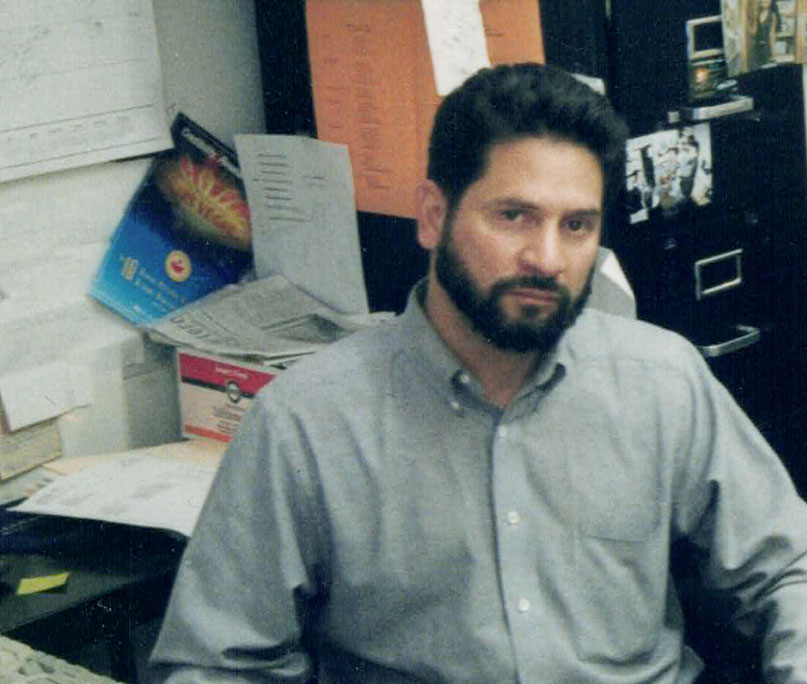
by Marvin Ramírez
As we move steadily toward one of the most sacred dates in Christian humanity — the birth of Jesus Christ on December 24 — the world once again finds itself suspended between hope and fear. The Christmas season is meant to be a time of peace, reflection, and renewal. Yet today, global politics, military threats, and economic uncertainty dominate the headlines, casting long shadows over families both near and far, especially throughout Latin America.
From the Middle East to Ukraine, and from Venezuela to other fragile regions of the world, leaders speak in the language of negotiations while the people live in the language of anxiety. We are told that wars may be nearing resolution, yet military posturing remains. Powerful nations engage in discussions that appear, at times, less about peace and more about spheres of influence — as if the world itself were a board divided quietly among the strongest players.
Meanwhile, the public follows the news with growing unease. Some reports inform, others inflame. Exaggeration and manipulation are not rare, because fear, history has shown us, is one of the most effective tools of political control. A nervous population is easier to guide, easier to pressure, easier to divide.
And yet, amid this global tension, there remains a quiet force that humanity has never abandoned: prayer.
I believe in prayer deeply. Long before modern nations and political systems existed, Native American tribes prayed. Ancient Latin American civilizations prayed. Though they directed their faith to different deities and forces of nature, they shared one essential truth: human beings have always believed in something higher than themselves. They have always closed their eyes and asked for guidance, protection, mercy, and peace.
Today, I add my voice to that ancient tradition. I pray for peace in the world.
I pray for the immigrants who are now returning to their countries — some by force, some by necessity, some by difficult choice. I pray that they may find stability, dignity, and opportunity as they return to lands marked by struggle but also by promise. For while many came to the United States seeking survival and opportunity, their home nations now need them more than ever.
By leaving their homelands — their houses, their families, their political responsibilities — entire societies have been weakened. When citizens abandon participation, reform becomes impossible. But history also shows that change rarely comes from abroad. It comes from within, when people stay, organize, resist peacefully, and demand accountability.
As difficult as it may be, those who return now may carry not only pain but also experience, skills, and perspective that could help rebuild their nations. Governments, whether willing or pressured by circumstance, will eventually have to loosen their grip. People must be allowed to protest, to vote freely, to participate without fear, to reshape the economies that once pushed them out.
The irony of our times is unmistakable. Immigrants helped build the United States into a global power — in its fields, its factories, its homes, its hospitals. And yet now, as many are being pushed to leave, the same strength and determination that once built another nation may soon be required to rebuild their own.
Christmas is close, and winter has arrived early. The cold has deepened, and with it a visible hesitation in the streets and shops. Many are no longer spending as before. Fear changes behavior. Uncertainty freezes plans. Some immigrants already feel they are halfway gone — physically present, but emotionally preparing to depart.
This is precisely when faith must speak louder than fear.
We must pray. But we must also think beyond borders. The United States grew strong because it once believed in the power of welcoming those who had the courage to work and dream. Now, those who return must believe that they, too, carry the power to transform their countries.
As Christmas approaches, we remember that Christ was born not in comfort, but in uncertainty. Yet His message was clear: peace is possible, even in a violent world. Hope can survive, even in exile. And light still arrives, even during the darkest nights.
May that light guide nations, leaders, immigrants, and those who wait for them — home and abroad.