
by Marvin Ramírez
If the United States wants to remain a country where work can still buy a stake in the future, we have to draw a bright line around the single-family home. That line has been fading as Wall Street landlords, private equity funds, and corporate real estate conglomerates turn neighborhoods into revenue streams. The result is a quiet transfer of wealth from families who would have built equity to investors who extract rent.
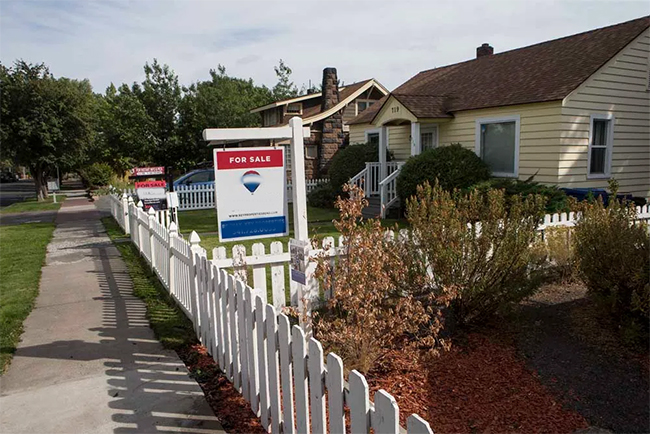
Picture a simple rule: large corporations and investment vehicles can’t buy existing single-family homes. Owner-occupants can. Small local landlords with a few properties can. Nonprofits and community land trusts can. But the consolidation machine—entities that can outbid families with cash, waive inspections, and operate at scale—stays out of the market designed for people who actually live in the houses.
A federal law banning conglomerates from purchasing single-family homes, the kind of policy Donald Trump could sign if Congress passed it, would be more than a headline. It would be a structural defense of the middle class. In a nation where homeownership has long been the most reliable path to wealth-building, letting corporate investors scoop up starter homes is not “just the free market.” It is the monetization of scarcity.
Critics will argue that a ban won’t magically create enough housing. True: supply matters, and we should build more, especially near jobs and transit. But supply and fairness are not competing goals. A ban is not a substitute for building; it’s a guardrail that keeps existing neighborhoods from becoming permanent rental colonies while new supply comes online.
Others will say, “What about property rights?” Individuals would still be free to sell. The question is who gets to buy. We already regulate markets to prevent harmful concentration. We do it in banking and telecommunications, and we do it when monopolies threaten competition. Housing is at least as vital, because stable shelter is the foundation for education, health, and community life.
The strongest case for action is practical: corporate buyers change the rules of the game. A family shopping with a mortgage, an appraisal, and an inspection contingency can’t compete with an entity that deploys capital overnight. When investors dominate, prices rise, turnover increases, and maintenance becomes a spreadsheet calculation. Neighborhoods lose the small rituals that make them resilient: long-term neighbors, shared childcare, and the sense that the people on the block are staying.
A corporate ban would also reframe the national conversation. For too long, we’ve treated the affordability crisis as a personal failing—buy earlier, earn more, move farther. Meanwhile, the market has been re-engineered to prioritize rent extraction at scale. A law that says single-family homes are for families would declare that the country still believes in upward mobility.
But a ban must be designed to avoid loopholes. It should apply to companies above a size threshold, to funds and their subsidiaries, and to any entity using layers of LLCs to disguise ownership. It should include strict reporting, penalties, and a public registry so residents and journalists can see who owns what. It should focus on purchases of existing single-family homes, while allowing builders to construct new homes and sell them to people, not portfolios.
Pair the ban with help for buyers: down-payment support for first-time households, enforcement against discriminatory lending, renovation loans that bring neglected properties back to life, and zoning reforms that allow more “missing middle” housing.
There’s a moral element too. Turning the American Dream into a subscription service corrodes civic life. Renting is essential for mobility, and renters can be great neighbors. The problem is being forced into renting because the ladder has been pulled up by concentrated capital. A nation of renters is not just an economic condition; it’s a political one, where fewer people have the stability to plan, invest, and participate.
If Trump—or any president—wants to claim the mantle of economic populism, this is the test: stand with the family trying to buy a first home, not the conglomerate assembling a portfolio. Protect the block, not the balance sheet. America doesn’t have to become a nation of renters. But it will, unless we decide that the single-family home is not a commodity to be hoarded, but a cornerstone to be broadly owned.
– With reports.