by Ana B. Ibarra
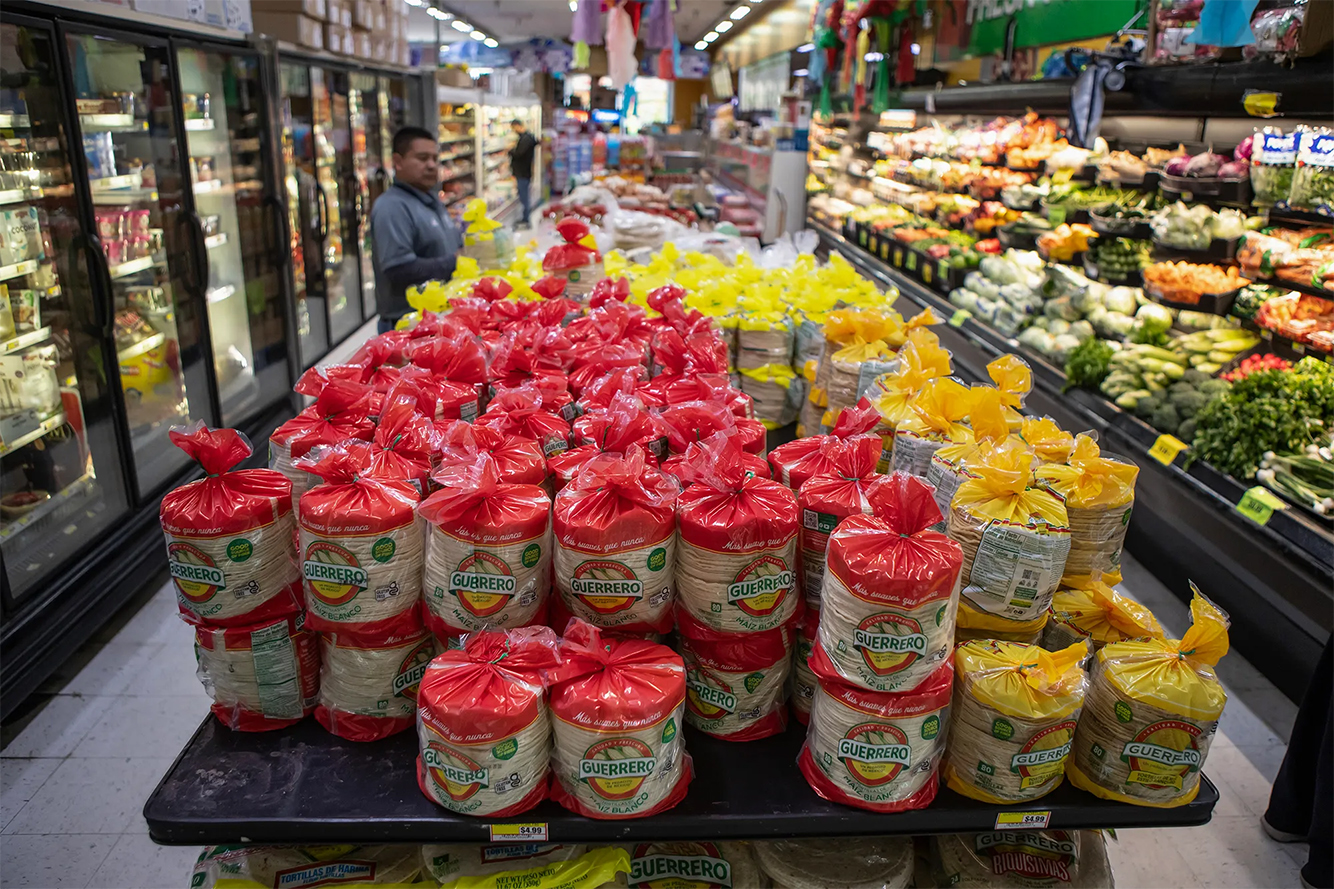
Tortillas sold in California are going to have a new ingredient, one that’s intended to help nurture healthy infants. Starting Jan. 1, a new law will take effect requiring most tortillas and corn masa products sold in the state to contain folic acid, a vitamin that’s important to infant health.
Latinas in California are far less likely than other women to get enough folic acid early in pregnancy — a gap that can lead to life-altering birth defects. State data show that, between 2017 and 2019 – the latest years for which state data is available – about 28 percent of Latinas reported taking folic acid the month before becoming pregnant. White women took the vitamin at a higher rate, with 46 percent of them reporting consuming folic acid, according to the California Department of Public Health.
This puts Latinas at higher risk of having a baby born with neural tube defects — defects of the brain and spinal cord. Some examples of that are conditions like spina bifida and anencephaly.
Research has shown that folic acid can reduce birth defects by up to 70 percent. That’s why it’s found in prenatal vitamins. But because women may not find out they are pregnant until weeks or months after, public health has long recommended that folic acid also be added to staple foods.
In 1998, the U.S. required manufacturers to fortify certain grain products with folic acid, such as pasta, rice, and cereals, to help women of reproductive age get the necessary amounts. Since that rule took effect, the rate of babies born with neural tube defects dropped by about a third, according to the Centers for Disease Control and Prevention.
But even with the addition to these foods, birth defect rates among babies born to Latinas have been consistently higher. In search of a more culturally appropriate addition, in 2016, the federal government allowed makers of corn masa to add folic acid to their foods – but didn’t require it. Joaquin Arambula, a Democrat from Fresno, who authored the law said leaving folic acid out of corn masa products, used in many Latino staple foods, was a “real oversight.” Now, with the implementation of Assembly Bill 1830, California is the first state to require folic acid in corn masa products. The law requires manufacturers that do business in the state to add 0.7 milligrams of folic acid to every pound of flour and to list the addition in their nutrition labels. The law makes exemptions for small batch producers like restaurants and markets that might make their own tortillas from scratch. Months after California’s law was signed, Alabama passed its own version. Its law goes into effect in June 2026.
Some large manufacturers have already been adding folic acid to their products for years. Gruma, the parent company of Mission Foods, said it started fortifying its foods back in 2016, when the federal government first allowed it. A company spokesperson said Gruma “has a longstanding commitment to supporting legislative fortification initiatives” and supports the new laws in California and Alabama.
Supported by the California Health Care Foundation (CHCF), which works to ensure that people have access to the care they need, when they need it, at a price they can afford. Visit www.chcf.org to learn more.
In other California laws:
Get up to speed fast on the new California laws that might change your life in 2026 New California laws taking effect on Jan. 1, 2026 expand coverage for in vitro fertilization, regulate artificial intelligence, protect renters and more Most of the hundreds of new California laws that are set to take effect on the first day of the new year won’t change your life. They’re adjustments to existing laws and directions to state agencies to follow up on past priorities. But some of them might have a profound effect on you or a loved one.
Know someone who’s struggling to conceive? One new law requires more insurers to cover in vitro fertilization. How about someone who’s thinking about what to do after high school? Another new law compels more California State University campuses to offer automatic admission to seniors who meet their requirements. Some new California laws are meant to confront some of the major questions of the moment, including how to regulate artificial intelligence and whether the state’s Democratic leaders can contest the Trump administration’s aggressive immigration enforcement.
In all, lawmakers passed 917 bills in 2025 and Gov. Gavin Newsom vetoed 123 of them. Most of the ones he signed take effect on Jan. 1. CalMatters reporters describe some of the noteworthy new laws in the stories listed below. We’ll update this list as we publish more stories over the next few days.